Best Hair Follicle Detox Shampoo: Expert Guide 2026
You just got the call. The job, the license, the custody hearing—it all hinges on one thing: passing a hair follicle drug test. And that 90-day detection window feels like a spotlight on every choice you’ve made. Your mind races. The pressure is immense because you know this isn’t a simple urine screen. This test digs deep, literally, revealing a pattern of use that can feel impossible to erase.
But the truth is, there is a specific tool designed for this exact scenario: a hair follicle detox shampoo. This isn’t your regular clarifying wash; it’s a specialized detox shampoo for hair drug test situations, formulated to help strip those embedded metabolites from your hair shaft.
The problem? Choosing the wrong one is a common, and costly, mistake. With so much conflicting information and products claiming to be the best hair detox shampoo for drug test success, how do you separate the real solutions from the scams? This guide is your clear, mistake-proof map. We’ll cut through the noise to show you exactly how to pass a hair drug test shampoo strategy that aligns with your specific risk level and timeline. Our goal is to give you actionable, evidence-based clarity when the stakes are highest.
But how do you even begin to choose when one wrong move could cost you everything?
How Hair Drug Tests Work: The Science Behind Detection Challenges
So you’re staring down a hair follicle test, and the panic is setting in. Before you can choose the right tool for the job, you need to understand the opponent. Let’s break down exactly how these tests work, because the science explains why a quick rinse with regular shampoo won’t cut it—and why specialized solutions exist in the first place.
The 90-Day (Or Longer) Record
Think of your hair shaft as a permanent, biological tape recorder. When you use drugs, metabolites—the chemical byproducts your body creates—enter your bloodstream. From there, they passively diffuse into the actively growing cells of your hair follicles. As your hair grows, these metabolites get locked inside the hardening keratin fibers of the hair cortex, creating a long-term record of use. If you are worried about your results, learning how to pass a hair test requires addressing these trapped metabolites directly.
A standard test takes a 1.5-inch sample from near your scalp. Since head hair grows about half an inch per month, that sample provides a roughly 90-day detection window. But the timeline can extend much further. Longer hair can show a history of a year or more. If testers take body hair from your arm, leg, chest, or beard—which grows more slowly—the window can stretch back up to 12 months.
What the Lab is Actually Hunting For
The test isn’t looking for the drug itself, but for those trapped metabolites. A standard 5-panel test screens for evidence of:
- Marijuana (THC)
- Cocaine
- Opiates (like codeine, morphine, and heroin)
- Amphetamines (including methamphetamine)
- PCP
Expanded panels can add other substances like prescription opioids, benzodiazepines, and MDMA.
Why a Recent Haircut or Short Break Isn’t Enough
Here’s the critical point that trips so many people up: the metabolite incorporation happens during the hair’s growth phase, right at the follicle. This means:
- Cutting your hair only removes the older, distal portion. The metabolites trapped in the new growth near your scalp—where the sample is taken—remain completely intact. Shaving your head might force a tester to use body hair, which often has an even longer detection window.
- Stopping use for a month doesn’t clear the existing record. Metabolites are already locked in the inches of hair that grew during your period of use. Abstinence is crucial for future growth, but it doesn’t erase the history already encoded in the hair on your head today.
The Melanin Factor: A Variable That Changes the Game
Your hair’s natural pigment, melanin, is a major binding site for drug metabolites, especially for drugs like cocaine and amphetamines. This creates a tangible, data-backed variable: people with darker, more melanin-rich hair can incorporate higher concentrations of certain metabolites for the same level of exposure. This isn’t about fairness; it’s a biochemical reality that makes the challenge more granular and personal. It’s one reason why a one-size-fits-all approach often fails.
The Limits of the Test (And Why They Matter)
While powerful, the test isn’t omniscient. It cannot:
- Pinpoint the exact date or time you used.
- Measure the quantity or frequency of use.
- Reliably detect a single, isolated use (detection probability is low).
- Distinguish between ingestion and environmental contamination (e.g., being in a room where cocaine was present).
Understanding these limitations is key. But the core challenge remains: those metabolites are chemically bonded inside your hair shaft, resisting ordinary washing.
But the truth is, understanding the test is only half the battle. Your own body—your hair type, color, growth rate, and usage history—creates a unique set of variables that directly impact your detox difficulty. That’s exactly what we need to quantify next to tailor your strategy.
Your Personal Factors: Variables That Affect Hair Drug Test Results
Your risk isn’t a generic label—it’s a personal equation. The science tells us how the test works, but your unique profile dictates how difficult your detox will be. Let’s break down the key variables that shape your outcome, moving from general principles to your specific situation. This isn’t about fear-mongering; it’s about giving you a clear, granular picture so you can choose a strategy with the right impact.
Dose & Frequency: The Accumulation Factor
This is the most significant variable. The test doesn’t just see if you used; it sees how much and how often.
- Chronic vs. Occasional Use: Daily or near-daily use leads to metabolite accumulation across multiple hair growth cycles. According to research, daily cannabis users show an 85% detection rate in hair tests, while non-daily users show 52%. The more frequently you used, the more “layers” of evidence are embedded in your hair shaft.
- Amount Per Session: Higher doses result in proportionally higher concentrations in your hair. Studies on substances like codeine and cocaine show a clear dose-dependent relationship—a single, low dose often deposits in a narrow hair zone, making it harder to detect, while repeated high doses create a strong, widespread signal.
Substance Specifics: Not All Drugs Are Equal
Different substances incorporate into hair at different rates and have unique detection profiles.
- THC: It’s detectable for about 90 days in standard 1.5-inch samples. The metabolite THC-COOH is the definitive proof labs look for. Crucially, THC concentrations in hair do not show the same dramatic racial or hair-color bias that basic drugs like cocaine do.
- Cocaine & Opioids: These are “basic” drugs that bind strongly to melanin in dark hair. Research shows cocaine concentrations can be up to 43 times higher in certain hair types compared to light hair under controlled conditions. This means the same amount of use can create a much stronger positive signal in someone with black or brown hair.
Hair Type & Color: Your Biological Blueprint
Your hair’s natural properties directly affect how drugs are incorporated and, subsequently, how hard they are to remove.
- Pigmentation is Key: Eumelanin, predominant in black and brown hair, has a high binding affinity for basic drugs like cocaine, codeine, and methamphetamine. Pheomelanin in red or blonde hair does not bind these drugs effectively. This is a fundamental chemical reality.
- Texture & Structure: Thick, coarse, or highly porous hair (common in many ethnic hair types) can trap metabolites more deeply within the cortex, making them harder to cleanse with surface-level treatments. Dreadlocks present a unique challenge, as they can mat and lock in contaminants over years.
The Body Hair Scenario: A Whole Different Test
If you’re bald, have very short head hair, or the tester decides to take from elsewhere, the game changes completely.
- Different Detection Window: Body hair (armpit, leg, chest) has irregular growth cycles and a longer resting phase. It can’t be segmented for a precise timeline like scalp hair. Instead, it provides a detection window of several months to a full year, without pinpointing when the use occurred.
- Often Higher Concentrations: Studies indicate drug concentrations are frequently statistically higher in body hair than in scalp hair for substances like THC and methadone, due to that extended exposure window. Passing a body hair test is a distinct and often tougher challenge.
Here’s the actionable takeaway: There is no one-size-fits-all answer. A person who smoked weed twice has a fundamentally different risk profile than a daily user with dark, thick hair facing a body hair test. Ignoring these personal variables is why so many generic home remedies fail. Once you honestly assess where you fall on this spectrum—your frequency, your substance, your hair type—the need for a targeted, powerful solution becomes impossible to ignore.
And for many, that assessment leads to a moment of panic. It’s at this point of high stress and perceived high risk that people often make their biggest mistake: turning to dangerous, ineffective myths in a desperate attempt to find a shortcut.
Risk Self-Assessment: Gauge Your Hair Follicle Detox Difficulty
But the truth is, your specific situation is unique. That’s why a one-size-fits-all approach is a recipe for failure. To choose the right detox path, you need an honest self-assessment. Let’s quantify your personal risk level.
Answer these four questions to categorize your detox difficulty. Be brutally honest—this isn’t about judgment, it’s about gathering the actionable data you need to align your strategy with reality.
1. How frequently did you use in the past 3-4 months?
- A) Occasional or light use: A few times a month or less.
- B) Regular use: Several times a week.
- C) Daily or near-daily use.
2. What was your primary substance?
- A) THC (marijuana, edibles, CBD with THC).
- B) A combination of substances.
- C) Cocaine, meth, opioids, or other basic drugs.
3. Describe your hair.
- A) Fine, light-colored (blonde, red), or chemically treated (bleached, dyed).
- B) Medium thickness, brown hair.
- C) Thick, coarse, dark brown or black hair, or you have dreadlocks.
4. How much time do you have until your test?
- A) 10+ days.
- B) 5-9 days.
- C) Less than 5 days, or you don’t know.
Now, tally your risk.
- Mostly A’s = Lower Risk. Your profile suggests lower metabolite concentration and better shampoo penetration. A focused, single-product detox protocol started well in advance has a strong chance of success.
- Mostly B’s = Medium Risk. You have a significant variable working against you—either frequency, substance type, or a tight timeline. This requires a more aggressive, multi-step approach. A standard detox shampoo alone may not be enough; you’ll likely need to combine it with a proven method like the Macujo.
- Mostly C’s = High Risk. This is the toughest category. High-frequency use of basic drugs with dark hair creates maximum metabolite binding, and a short timeline crushes your margin for error. For you, the most powerful, multi-product protocol isn’t optional—it’s essential. This is where the top-tier, deep-cleansing shampoos justify their impact, as they are specifically engineered for this level of challenge.
That’s why understanding your personal risk profile is the critical first step. It moves you from a state of panicked guessing to strategic action. For those in the Medium and High-risk categories, the need for a scientifically-formulated, potent detox shampoo becomes not just a recommendation, but a tangible necessity. This assessment directly informs which product from our expert ranking will give you the best fighting chance.
Myth Busting: Why Home Remedies Fail Hair Follicle Drug Tests
You’ve probably spent hours scrolling through forums, watching shaky videos, and reading desperate comments about passing a hair follicle test. The internet is a minefield of advice, and most of it is not just wrong—it’s dangerously wrong. Let’s cut through the noise. The core problem is that drug metabolites aren’t just on your hair; they’re locked inside the hair shaft, in the cortex. Most home remedies can’t reach them, and the ones that try often cause more harm than good.
The Bleaching Gamble: High Risk, No Guarantee
Bleaching your hair is the most aggressive cosmetic tactic you’ll find. The science shows it can reduce drug concentrations. Oxidizing agents damage the cuticle, increasing porosity and causing some leaching of metabolites. Studies indicate a single session might reduce cocaine by 50-80%, opiates by up to 75%, and meth by 40-70%. For THC, reductions of 30-60% are possible.
But the truth is, this is a reckless gamble. Those reductions are variable and depend on your hair’s melanin content, the drug’s properties, and the bleach strength. More critically, labs are trained to spot chemically fried hair. They analyze parent drug-to-metabolite ratios—a telltale sign of alteration. You might get a “false negative” on some compounds, but you’ll also get a giant red flag on your lab report. The physical cost is severe: dry, brittle hair, breakage, scalp irritation, and potential chemical burns. You’re trading a possible reduction for guaranteed damage and high suspicion.
The Macujo Method (Household Version): Painful, Unreliable, and Obvious
This is the method that dominates forums, and it’s built on a flawed premise. The theory is to use household items—salicylic acid astringent, white vinegar, Tide laundry detergent, and baking soda—to pry open the hair cuticle and scrub out toxins. It’s everywhere, so it has to work, right?
Let’s be clear: The Macujo method is a protocol for severe scalp trauma, not a reliable detox. The macujo method steps cause intense stinging, dermatitis, and chemical burns, especially along the hairline. Tide detergent is a harsh surfactant that strips natural oils, leading to further damage and increased burn risk. The process is time-intensive, requiring multiple painful cycles over several days.
Its effectiveness is wildly inconsistent, depending on your drug history, hair type, and strict adherence. There’s no independent, clinical validation of its success rates for all drug types. For you, this means enduring days of significant pain and scalp damage for an unproven result. And just like with bleaching, lab technicians can identify hair that’s been subjected to this kind of aggressive, corrosive treatment. It screams tampering.
Other Household Myths: Why Vinegar and Baking Soda Alone Fail
You’ll see countless claims about simpler, cheaper fixes. Each one shares the same fatal flaw: they can’t get to the metabolites inside the hair cortex.
- How to pass a hair follicle test with vinegar: A vinegar rinse might clean surface oils, but it cannot penetrate the hair shaft to dissolve or remove drug compounds bound within. It’s like trying to clean the inside of a sealed bottle by washing the outside.
- Baking soda to pass a hair drug test: Baking soda is a mild abrasive and alkaline substance. A base might exfoliate your scalp, but it has no mechanism to break down the keratinized structure of hair and extract embedded metabolites. It simply doesn’t work on a chemical level.
- Lemon juice, apple cider vinegar, or “detox” teas: These mixtures lack the specific chemical agents needed to alter the hair’s internal structure. They create a false sense of action while your test date draws closer.
- The “Shave Everything” Strategy: This is perhaps the riskiest myth of all. If you show up to a testing facility with a freshly shaved head and body, they will note it. More importantly, they can take hair from anywhere—legs, arms, chest, armpits. And body hair has a much slower growth rate, meaning it can retain a record of drug use for up to a year, making your detection window even longer.
The Real Cost of “Free” Methods
The attraction of these home remedies is obvious: they seem cheap and immediate. But the true cost is exorbitant. You pay with:
- Physical Pain: Scalp burns, open sores, rashes, and permanent hair damage.
- Wasted Time: Hours and days spent on ineffective procedures while your deadline looms.
- Certain Failure: Most of these methods cannot achieve the deep cleansing required, especially for chronic or heavy use.
- Increased Suspicion: Chemically damaged hair is a neon sign to lab technicians that you’ve attempted to alter your sample.
You’re not saving money; you’re investing your hope and safety into a strategy with a documented history of failure and harm. The frustration of doing everything “right” with these methods and still failing is a pain point echoed in countless forum posts.
The core lesson is this: home remedies fail because they attack the wrong target. They treat the hair’s surface or damage its structure haphazardly, but they lack the formulated chemistry to reliably and safely remove metabolites from the cortex. Avoiding these myths is your first critical step. But even if you steer clear of vinegar and bleach, another common error is grabbing the wrong type of product off the shelf—which leads to its own set of costly problems.
Shampoo Types Explained: Detox, Cleansing, and Clarifying Differences
You’ve seen the warnings about home remedies, but now you’re standing in the aisle—or scrolling online—facing bottles that all promise some version of “clean.” The labels can be misleading. A shampoo that says “deep clean” or “purifying” isn’t the same as one formulated for a drug test. Using the wrong type is a guaranteed path to a positive result. Let’s clarify the critical distinctions so you can make an informed choice.
The Three Shampoo Categories: What They Actually Do
Think of your hair like a fortress. Drug metabolites aren’t just on the walls; they’re locked in the vault—the cortex. Each type of shampoo attacks a different part of this structure.
1. Regular Shampoo (Daily Cleansing)
This is your standard, everyday product. Its primary job is to remove surface-level dirt, oil, and styling product residue from the hair shaft and scalp. It contains mild surfactants that clean but don’t deeply penetrate. For passing a drug test, it’s completely irrelevant. It won’t touch metabolites embedded within the hair.
2. Clarifying Shampoo (Surface Detox)
This is where most confusion happens. A clarifying shampoo is a surface-stripping specialist. It uses stronger surfactants, often sulfates, to remove stubborn buildup:
- Excess sebum (natural oils)
- Hard water mineral deposits
- Residue from heavy styling products like gels and hairsprays
It gives you that “squeaky clean” feeling and is great for a monthly reset. However, its action is limited to the hair’s outer layer, the cuticle. According to hair science, clarifying shampoos do not possess the penetrating agents needed to access the inner cortex where drug metabolites are stored. Using one for a drug test is like washing the outside of a locked safe and expecting the contents to disappear.
3. Specialized Detox Shampoo (Cortex-Level Stripping)
This is the only category designed for the challenge you face. A true detox shampoo for drug tests uses a fundamentally different chemistry. Its goal isn’t just to clean—it’s to chemically strip.
- Penetration Enhancers: Ingredients like propylene glycol work to temporarily open the hair cuticle, creating a pathway to the cortex.
- Solvents & Chelators: These agents aim to flush out or bind with the metabolites lodged inside the hair’s inner structure.
- Intensive Protocols: They aren’t used like normal shampoo. Effective use requires a specific, repeated application process—often multiple washes over several days—to maximize penetration and removal.
The evidence here is nuanced. In vitro lab studies show certain detox shampoos can reduce markers like EtG (alcohol) or THC concentrations in hair samples by over 50% on average. But the key phrase is in vitro—in a controlled lab dish. Real-world results depend heavily on your hair type, the drug used, and strict adherence to the protocol.
The Critical Takeaway
If you take one thing from this, let it be this: A clarifying shampoo and a detox shampoo are not interchangeable. Grabbing a bottle labeled “clarifying” because it sounds strong enough is one of the most common and costly mistakes. It will leave your hair free of styling gel but still loaded with the metabolites that will show up on a lab report.
So now that you know you need a true detox shampoo, how do you spot the real deal amidst a sea of scams?
Choosing a Detox Shampoo: Criteria to Identify Authentic Products
So, how do you build a “buyer’s shield” against scams and ineffective products? It comes down to evaluating four non-negotiable criteria. Think of this as your due diligence checklist—a way to cut through the marketing noise and identify a product with a real chance of working.
1. Proven Ingredients That Penetrate the Cortex
The formula must contain specific agents designed to interact with the inner hair shaft, not just clean the surface. Look for:
- Chelating Agents: Ingredients like disodium EDTA or tetrasodium EDTA. These bind to metal ions and residues, helping to pull them out of the hair.
- Penetration Enhancers: Propylene glycol is a key one. It helps carry the cleansing agents deeper past the cuticle layers, which is essential for reaching embedded metabolites.
- Strong Surfactants: Sodium lauryl sulfate (SLS) or sodium laureth sulfate (SLES) provide the deep cleansing power needed to strip oils and buildup that trap toxins.
If the ingredient list is vague or lacks these types of components, the shampoo likely lacks the deep-cleansing capability required for a drug test. It’s just a regular shampoo making bold claims.
2. Authentic Sourcing (Avoiding Fakes)
This is where most people get burned. The market is flooded with counterfeits, especially for premium products like Old Style Aloe Toxin Rid.
- Avoid Retail Stores: Don’t waste time searching for a detox shampoo for hair drug test CVS or a hair follicle drug test shampoo nearby at a local pharmacy or big-box store. Authentic, specialized detox shampoos are not typically sold through these retail channels.
- Verify Directly: Purchase only from the manufacturer’s official website or their verified, authorized retailers. For example, the genuine Old Style Aloe Toxin Rid is primarily sold through sites like TestClear.
- Inspect the Product: Check for an intact factory seal, printed lot numbers, and batch details. Compare the packaging and gel color (for Aloe Rid, it’s a thick green gel) to official images on the manufacturer’s site. Be deeply skeptical of “old formula” claims or prices that seem too good to be true—a 5 oz bottle of genuine Aloe Rid typically costs between $130 and $235.
3. Credible, Verifiable User Reviews
Forget the 5-star ratings on a sales page. You need to find proof from real people in situations like yours.
- Look for Specifics: Trust reviews that detail the user’s substance history (e.g., “daily THC user for a year”), the exact protocol they followed (e.g., “Macujo Method, 10 washes over 7 days”), and their test outcome.
- Seek Out Follow-Ups: The most credible reviews are often found on forums like Reddit where users post their initial question, then return to report their pass or fail. This transparency is gold.
- Acknowledge Mixed Feedback: Some products, even top ones, will have negative reviews. Look for patterns. Are failures linked to incomplete protocol steps or sourcing from unauthorized sellers? This context is critical.
4. Clear, Multi-Step Usage Instructions
A detox shampoo is not a magic one-wash solution. Any product claiming otherwise is misleading you.
- Demand a Protocol: Effective use requires a multi-day routine. The instructions should clearly outline a process, like the Macujo Method’s seven-step sequence, and specify it must be repeated 3-5 times.
- Timing is Everything: Instructions must include how long to let the shampoo sit (e.g., 10–15 minutes for Aloe Rid) to allow ingredients to work. They should also advise abstaining from new toxin exposure for 12-24 hours before starting and avoiding oils or heavy conditioners afterward.
The Critical Mindset: If a product’s information is vague on any of these four points, consider it a major red flag. Your goal is to find a product that is transparent about its ingredients, has a secure and verifiable supply chain, is backed by detailed success stories, and provides a rigorous, clear application guide.
Armed with this checklist, you’re now equipped to evaluate what’s actually on the market. It’s time to see how the most popular detox shampoos measure up against these exacting standards.
Proven vs. Popular: What Makes a Detox Shampoo Effective
Let’s be clear: the market is flooded with detox shampoos, and every product claims to be the best. It’s a sea of bold promises, which makes choosing one feel like a gamble. But we’re not here to guess. We’re here to evaluate.
After applying the strict, evidence-based criteria we just outlined—ingredient science, verifiable user results, and a rigorous protocol—only a handful of products merit serious consideration. This isn’t a popularity contest or a list of what’s trending. It’s a direct comparison of what the data says actually works.
Think of it like this: we’re separating the proven from the popular. A flashy label or a viral video doesn’t mean a shampoo has the right chelating agents or penetration enhancers to get deep into the hair cortex. Our ranking is built on a foundation of tangible, real-world impact. The products that earned the top spots did so because their formulas align with the science of detoxification and their results resonate through consistent, documented user success stories.
That’s why, when you see the list, you’ll notice a clear hierarchy. The top-ranked options aren’t just good; they meet all the critical benchmarks for deep cleansing. They have the right ingredients, the right instructions, and the right track record. Let’s examine each product, starting with the top-ranked options that meet all the critical criteria, so you can see exactly why they stand apart.
Expert-Ranked Detox Shampoos for Hair Follicle Drug Tests (2024)
So, what shampoo will pass a hair follicle test? After analyzing formulas, user protocols, and real-world outcomes, a clear hierarchy emerges. This ranking prioritizes deep-cleansing efficacy, documented success stories, and reliability within proven multi-step methods. Here’s the expert breakdown.
#1: Old Style Aloe Toxin Rid Shampoo
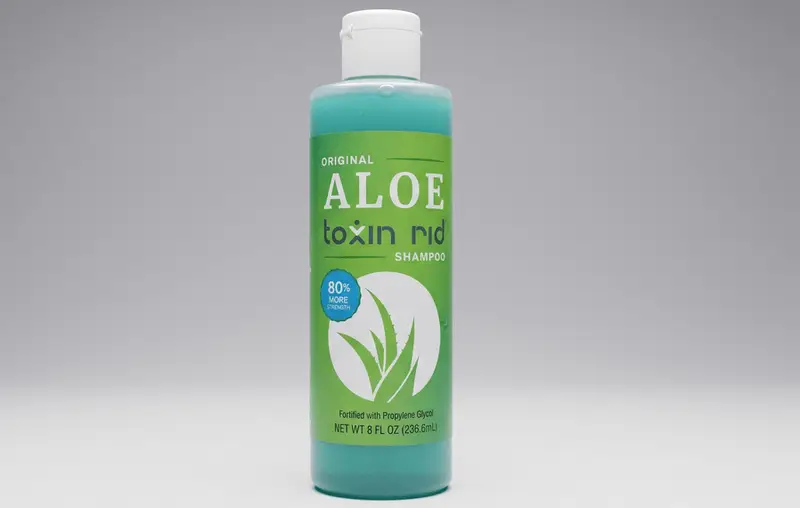
Who It’s For: The individual who needs the highest probability of success, especially heavy, chronic, or hard drug users (THC, cocaine, meth, opioids) with 3-10 days to prepare. It’s the cornerstone of the most rigorous detox protocols.
Key Pros:
- Deep-Cleansing Formula: Its efficacy is attributed to propylene glycol, a penetration enhancer that helps the formula reach the hair cortex where metabolites are stored, combined with aloe vera to soothe the scalp during repeated washes.
- Protocol Backbone: It is the essential, non-negotiable shampoo in both the Macujo and Jerry G methods—the multi-step procedures with the highest reported success rates.
- Track Record of Success: Verified user reviews and forum reports consistently document passes for heavy daily users after 6-15 washes over several days, often paired with bleaching/dyeing and a final Zydot rinse.
Key Cons:
- High Cost: Priced between $134 and $170 per bottle, it represents a significant financial investment.
- Time-Intensive: Requires a multi-day commitment of multiple daily washes, which is overwhelming for those with short-notice tests.
- Risk of Counterfeits: Must be purchased from authorized sellers like TestClear with verification of the propylene glycol ingredient and specific UPC barcode to avoid ineffective fakes.
Effectiveness & Real Use Notes:
The placement of Old Style Aloe Toxin Rid as the top-ranked shampoo is justified by its role as the workhorse in the most successful user-reported protocols. Its formula emphasizes advanced microsphere technology for a gradual release of cleansing agents. While some user reports on forums like Reddit indicate it alone may only remove 40-60% of toxins, its true impact is realized when used as directed within a comprehensive method. For example, heavy daily users of “weed and ice” have reported passing after 15 washes combined with bleaching and dyeing. It’s often paired with Zydot Ultra Clean on test day for a final purification step. The primary caveat is that overuse can cause scalp dryness, tightness, or flaking.
Value Assessment:
For the high-stakes scenario of a hair follicle test, the value is measured in pass probability, not just price per ounce. If your career, freedom, or family is on the line, the investment in the most proven tool is a calculated decision. The cost is frequently criticized, but when weighed against the consequence of failure, many users find the price justified. You can find a deep-dive review and sourcing information for the Old Style Aloe Toxin Rid shampoo.
#2: Macujo Aloe Rid Shampoo

Who It’s For: The user committed to the Macujo Method who needs a more affordable entry point than Old Style, or as a dedicated wash within Mike’s Macujo Method. It’s geared towards light-to-heavy users with the fortitude to endure the process.
Key Pros:
- Macujo Method Essential: It is the designated shampoo for the initial, intermediate, and final washes in both the original and Mike’s Macujo Method protocols.
- Better Price Point: A 6 oz bottle is priced between $30 and $50, making it significantly more accessible than the Old Style version.
- Sufficient Quantity: One bottle yields 15 to 20 washes within the Macujo Method, providing enough product for a full regimen.
Key Cons:
- Process-Dependent: Its claimed effectiveness is intrinsically linked to the harsh, multi-step Macujo procedure (vinegar, salicylic acid, Tide detergent). Used alone, its impact is unclear.
- Physically Arduous: The overall Macujo method is painful, causing severe scalp irritation, burns, and scabs—a major drawback highlighted in user reviews.
- Formulation Questions: There is a lack of direct comparative studies between Macujo Aloe Rid and Old Style Aloe Toxin Rid, creating uncertainty about their relative potency.
Effectiveness & Real Use Notes:
This shampoo’s ranking is based on its central role in a popular, user-validated method. Its claimed mechanism relies on a high propylene glycol content for deep penetration when combined with the acidic and detergent steps. User testimonials on sites like macujo.com report successes, such as a daily cocaine user passing after completing Mike’s Macujo method. However, failures are also documented, often tied to heavy recent use, improper timing, or skipping steps. The key takeaway is that this product is a component of a system, not a standalone solution.
Value Assessment:
If you are choosing the Macujo Method, this shampoo is a required component. Its value is tied to the overall method’s reported success rate—some sites claim 90% or higher when steps are followed precisely. However, the value proposition must include the physical toll and the cost of additional household ingredients (vinegar, Tide, Clean & Clear). It offers a lower financial entry point but demands a high physical one.
#3: Zydot Ultra Clean Shampoo

Who It’s For: The user looking for a final, day-of-test rinse to use after a primary detox regimen (like the Macujo or Jerry G method). It is for those seeking a last-minute confidence boost, not a primary detox solution.
Key Pros:
- Final Rinse Protocol: Designed as a single-use, three-part system (shampoo, purifier, conditioner) for use on the morning of the test.
- Surface Cleansing: The purifier step aims to penetrate the hair shaft to dissolve external chemical barriers, while the conditioner manages tangles post-treatment.
- Affordable Add-On: Priced at $35-$36, it’s a relatively low-cost addition to a larger detox plan.
Key Cons:
- Limited Standalone Power: A study found that a single Ultra Clean wash reduced THC concentrations by only 36% and cocaine by just 5%, with all originally present drugs remaining detectable.
- Temporary Effect: Its cleansing effect is reported to last only up to 24 hours, after which natural scalp oils can recontaminate the hair.
- Variable Results: Efficacy varies dramatically by hair type, drug exposure history, and lab testing method. A daily cannabis user who used one kit the morning of the test reported a fail.
Effectiveness & Real Use Notes:
Zydot earns its rank as a specialist finishing tool, not a primary weapon. Its mechanism is three-stage: remove external barriers, penetrate to dissolve chemicals, and condition. Real-use cases show it can be part of a passing strategy—like a warehouse applicant with weekend-only use who passed after using two kits (evening before and morning of). However, its limitations are stark. It is less potent for high toxin loads and there is no public, independent lab certification for its efficacy. Think of it as the final polish, not the deep clean.
Value Assessment:
The value of Zydot Ultra Clean is conditional. If you have already completed a rigorous multi-day detox using a stronger shampoo, spending $35 on a final-day rinse is a logical, low-risk step. However, relying on it as your sole strategy, especially with significant toxin exposure, is a high-risk gamble with documented failures.
#4: High Voltage Detox Folli-Cleanse Shampoo
Who It’s For: The individual with light-to-moderate, recent exposure who needs a single-session application with a short dwell time (20-30 minutes).
Key Pros:
- Quick Application: Requires only a 20-30 minute dwell time under a shower cap, making it one of the faster-acting options.
- Mid-Range Price: At $34.95, it is more affordable than the top-tier shampoos.
- Short-Term Confidence: Effects are marketed to last up to 36 hours after one use, providing a window for testing.
Key Cons:
- Inconsistent for Heavy Users: Mixed reviews show it can be ineffective for dense hair, heavy toxin exposure, or hard drugs. Multiple applications are often needed for any chance of success.
- Can Damage Hair: Users report it can leave hair very dry, exacerbating existing damage.
- Scam Allegations: A portion of user reviews explicitly label it ineffective or a scam after personal failed tests.
Effectiveness & Real Use Notes:
High Voltage is positioned for convenience and recent, lighter exposure. Its formula uses strong surfactants (ammonium lauryl sulfate) and chelators (tetrasodium EDTA) for degreasing. Some users report passes after following instructions precisely, often for occasional use. However, its limitations are significant. It is weaker for tightly styled or thick hair, and heavy toxin exposure often renders it ineffective. The “36-hour confidence window” lacks independent clinical validation.
Value Assessment:
This is a budget option for a specific, lower-risk scenario. If you had a one-time exposure weeks ago and have fine hair, it might provide tangible results. For anyone with a history of regular use, thick hair, or high stakes, its inconsistent track record makes it a risky primary choice. The potential for hair damage adds to the cost-benefit analysis.
The Rest of the Pack: Other Options & Their Limitations
Several other products populate the market, but they generally fall short of the top contenders for high-stakes testing.
- Nexxus Aloe Rid (Newer Formula): The original branded version is often confused with the Old Style recreation. The current Nexxus formula, priced around $20-$60, prioritizes conditioning with ingredients like avocado oil and ceramides. While less harsh for daily use, this shift makes it a less potent detoxifier. It is not recommended as a primary solution for passing a drug test.
- Stinger Folli-Kleen & Omni Cleansing Shampoo: These budget options ($15-$30) are typically all-natural, single-treatment clarifiers. They are effective for removing surface buildup but lack the penetrating power to address metabolites embedded deep in the hair cortex. Success reports for these lighter products often correlate with minimal prior use or a long time elapsed since last exposure.
The Bottom Line on Rankings
This hierarchy is built on a foundation of user data, ingredient analysis, and method integration. The top-ranked products earned their place by aligning with the most successful real-world protocols. But the truth is, even the best product will fail if used incorrectly. The shampoo is only one variable; the application protocol, your personal biology, and strict adherence to the timeline are equally critical. That’s why understanding how to use your chosen product is the next non-negotiable step.
Correct Usage: Techniques for Applying Detox Shampoos Effectively
The application process begins before you even open the bottle. But the truth is, skipping this prep work is like trying to paint a wall without cleaning it first—you won’t get the results you’re paying for. Your goal is to maximize every drop of shampoo by ensuring it can make direct contact with your hair shaft and scalp.
Start by thoroughly wetting your hair with warm or lukewarm water. This temperature is critical—it’s warm enough to help open the hair cuticle, allowing the shampoo’s active ingredients to penetrate, but not so hot that it damages your hair or scalp. If your hair is particularly oily or laden with styling products like gels or sprays, do a preliminary wash with a gentle, regular shampoo to remove that surface layer. Finally, squeeze out the excess water. You want your hair damp, not dripping, so the detox shampoo isn’t immediately diluted upon contact.
The Core Application Technique: Precision Matters
With your hair prepped, it’s time for the main event. Using the correct technique isn’t just a suggestion—it’s the multiplier for the product’s effectiveness.
- Dosage: Use a quarter-sized amount for short to medium hair. For long, thick, or dense hair, be generous—a palm-sized amount is not excessive.
- Focus Zone: Concentrate the application on your scalp and the first 1.5 to 2 inches of hair from the root. This is the exact zone labs analyze, and it’s where metabolites, oils, and product buildup are most concentrated.
- Massage Method: Using your fingertips (not nails), massage the lather into your scalp in small, firm circular motions for 1 to 3 minutes. If you have thick or curly hair, use your fingers to part it into sections, ensuring you cover every quadrant of your scalp. A wide-tooth comb can help distribute the lather through longer lengths.
- Dwell Time: Once massaged in, let the lather sit on your hair for 10 to 15 minutes. This “dwell time” is non-negotiable. It allows ingredients like propylene glycol to work. You can continue to massage intermittently during this period.
Rinsing and Post-Wash Care
After the dwell time, rinse your hair thoroughly with lukewarm water until the water runs completely clear and all lather is gone. Incomplete rinsing can leave a residue that blocks penetration during your next wash.
A crucial step many overlook: follow up with a hydrating conditioner. Detox shampoos are stripping by design, and your scalp and hair need moisture replenishment. Apply a silicone-free conditioner primarily to the mid-lengths and ends, avoiding the scalp itself, to maintain hair health without creating a barrier for future washes.
Frequency and Timeline: The “How Often” Question
This is where most users fail. Using the shampoo once or twice won’t cut it. The official protocol recommends starting 3 to 10 days before your test.
- With 7-10 Days: Aim for 10 to 15 total washes over this period, typically 1-2 washes per day.
- With 3-6 Days: Increase to 2-3 washes per day, spacing them at least 8 hours apart to let your scalp recover.
- With 72 Hours or Less: You must perform multiple, spaced washes using the full dwell time, completing your final wash within 24 hours of your collection time.
One bottle typically provides 5-10 uses, so plan your purchase accordingly.
The Day-Of Protocol and Aggressive Options
On the morning of your test, perform a final Old Style Aloe Toxin Rid wash following all the steps above. Immediately after, you must use a same-day finisher like Zydot Ultra Clean. Think of Aloe Rid as the deep cleaner and Zydot as the final polish that removes any remaining external contaminants or masking agents—using one without the other compromises the system.
For those facing extreme contamination or with very thick hair, the Macujo Method integrates Aloe Rid into a more aggressive, multi-product sequence. This involves steps with baking soda paste, astringent, and even liquid Tide detergent. While some report success, it’s physically harsh and requires strict adherence to a precise seven-step sequence, including protective measures like Vaseline on the forehead and goggles.
Avoiding Critical Mistakes
The line between passing and failing is often in the details. Common errors include:
- Under-washing: Using fewer than 10 total applications.
- Rushing the dwell time: Rinsing before 10 minutes.
- Uneven application: Missing sections, especially on textured hair.
- Continuing drug use: New metabolites enter your hair daily, undoing your work.
- Using heavy products: Oils and silicone serums during the prep window create barriers.
On that note, you might be thinking, “This process sounds way too complicated and time-consuming.” The reality is, the complexity is a direct reflection of the test’s sophistication. Cutting corners is the most expensive mistake you can make. And if you’re asking, “Do I really need to buy a separate day-of shampoo?”—the answer is yes. Zydot addresses a different phase of decontamination, and pairing it correctly is what makes the entire protocol actionable.
But what if your test is in 48 hours? That urgent timeline changes the strategy significantly, moving from a preparatory cleanse to an intensive, last-minute intervention.
Timeline Realities: What Detox Shampoos Can Achieve on a Tight Schedule
Let’s confront the biggest myth head-on: there is no “miracle” pass in 24 hours. If you’re searching for how to pass a hair follicle test in one day, you need a reality check. The science is clear—drug metabolites are embedded deep within the hair cortex. Removing them requires a chemical process of repeated opening and flushing, which simply cannot be completed with a single wash, no matter how good the product.
Think of it like trying to deep-clean a stained sponge by just running it under water once. The surface might look cleaner, but the stain is still locked inside. Effective detox requires multiple cleansing cycles to gradually reduce metabolite levels. How fast can you pass a hair follicle test? The honest answer is: as fast as biology and chemistry allow, which is measured in days, not hours.
Your available preparation time is the single most critical factor. Here’s a realistic framework based on your timeline:
If you have 7-10 days (The Ideal Window):
This is your best-case scenario. Aim for a total of 10–15 detox washes. You can space these out, performing one thorough wash per day. This schedule allows for maximum cumulative effect while giving your scalp time to recover between sessions, minimizing damage and increasing the chance of meaningful metabolite reduction.
If you have 3-6 days (The Aggressive Protocol):
Time is short, so intensity must increase. You’ll need to step up to 2-3 washes per day. This is where using a top-tier shampoo like Old Style Aloe Toxin Rid becomes non-negotiable—you need its deep-cleansing formula working at maximum capacity. This is physically demanding on your hair and scalp, but it’s the required trade-off for a shortened timeline. This addresses the core of how to pass hair follicle test asap.
If you have 72 hours or less (The Last-Minute Intervention):
This is the high-risk, high-effort scenario. The protocol becomes:
- Perform multiple, spaced-out detox washes immediately.
- Crucially, you must complete your final wash within 24 hours of your hair sample collection.
- You must also use a same-day finisher like Zydot Ultra Clean on the morning of your test. This combination is your only actionable strategy for how to pass a hair follicle test in 2 days or less.
The One-Week Question:
Can you pass a hair follicle test in a week? The data suggests it’s possible to significantly improve your odds with a dedicated 7-day protocol, moving you from the “aggressive” into the “ideal” window. However, a week is not a guarantee, especially for heavy or recent users. It dramatically beats having only 24 hours, but it’s still a compressed timeframe where every wash counts.
A Critical Caveat on Usage History:
This timeline framework assumes you have stopped using drugs. If you are a heavy, daily user from the prior 1-2 months, no shampoo method can guarantee a pass. The metabolite load in newly forming hair is simply too high. In that case, time and verified abstinence are the only reliable reset. Shampoo protocols work best when combined with as much drug-free hair growth as you can manage.
Objection Handling: “I only have 3 days, is it even worth trying?”
Absolutely, yes. Some reduction is always better than none. An intensive 3-day protocol gives you a fighting chance, whereas doing nothing guarantees a positive result. The risk is financial and physical (scalp irritation), but for many, that’s a worthwhile gamble.
Objection Handling: “I saw a video where someone passed after one wash.”
View these anecdotes with extreme skepticism. They rarely show proof of an empty bottle, don’t account for possible light/infrequent use, and ignore the massive role of individual hair biology. Relying on a one-wash miracle is a strategy built on hope, not science.
On that note, executing this intensive schedule perfectly is your best shot. But even with flawless timing and technique, this process has other inherent risks and limitations you must understand before you begin.
Avoiding Lab Detection: Tips for the Day of Your Drug Test
You’ve done the hard work—the chemical washes, the precise applications, the agonizing wait. Now comes the final, critical performance: the test itself. All that effort can be undermined in minutes if you raise a red flag at the collection site. The goal isn’t just to have clean hair; it’s to present a completely normal, unremarkable picture to the collector. Here’s how to navigate the day with confidence.
Managing Your Scalp and Hair Post-Detox
Your scalp’s condition is the first thing a trained collector will visually assess. If you’ve used aggressive DIY methods like the Macujo method, you might have redness, flaking, or even open sores. This is a major red flag.
- Immediate Post-Wash Care: After your final detox shampoo rinse, apply a lightweight, silicone-free conditioner to your mid-lengths and ends. This helps reseal the hair cuticle and restore some moisture, reducing that “fried” look. Avoid the scalp unless the product specifically says it’s safe for it.
- Conceal Damage Stylistically: Style your hair in a way that minimizes the appearance of damage. If you have frizz or dryness, a small amount of leave-in conditioner on damp hair can help. Avoid heavy gels, sprays, or oils—they can create buildup that looks suspicious. The goal is clean, natural, and healthy-looking hair.
- The 24-Hour Rule: In the final day before your test, avoid any more clarifying or detox shampoos. Your cuticle is already raised and vulnerable; over-washing can leave hair brittle and more prone to re-absorbing contaminants from your environment.
Behaving Naturally at the Collection Site
Your demeanor matters. Collectors are trained to notice extreme nervousness or unusual behavior that might indicate an attempt to tamper with the test.
- Arrive Prepared: Have your photo ID ready. Dress in clean, casual clothes. Avoid hats, hoodies, or beanies that you’ve worn recently, as they could carry residues.
- Follow Simple Instructions: The collector will explain the process. Listen, nod, and comply. They will ask you to remove any hair accessories, wigs, or extensions. Do so calmly. This is standard procedure, not an accusation.
- Mind Your Environment: After your final wash, stay cool. Avoid sweating on the way to the test—sweat can bring toxins from your body to the hair’s surface. Skip the gym, avoid hot cars, and don’t wear anything that might make you overheat.
What Lab Technicians Are Trained to Spot
Understanding their checklist helps you avoid the pitfalls. According to collection guidelines, technicians are alert for:
- Obvious Scalp Trauma: Severe redness, open sores, scabbing, or chemical burns. This can lead them to refuse a head sample and move to body hair, or flag the sample for potential adulteration.
- Abnormal Hair Texture: Hair that is excessively dry, brittle, breaking, or has an unnatural “gummy” feel from over-bleaching.
- Chemical Smells: Strong odors of vinegar, bleach, or other chemicals lingering in your hair.
- Visible Residue: Flakes, powders, or sticky patches that suggest a masking product was applied and not fully rinsed.
The key is to present a scalp and hair that look normal. If your DIY efforts have left you with a painful, flaky scalp, your focus on test day should be on soothing it with a gentle, moisturizing conditioner and styling your hair to cover the worst of it. Acting naturally and avoiding the physical signs of a detox “battle” are your last lines of defense.
While these tactical tips are essential for managing the immediate moment, the true measure of a method’s reliability comes from those who have walked this path before you. The real-world outcomes and experiences of others provide the most tangible proof of what actually works when the stakes are this high.
Real User Experiences: Outcomes with Hair Follicle Detox Methods
You’ve seen the tactical advice for test day. But here’s the truth: the most tangible proof isn’t found in a list of steps—it’s in the documented outcomes of people who were exactly where you are now. When the stakes are this high, you need more than theory. You need to see what actually happened.
Let’s be clear. Scouring forums for random anecdotes is overwhelming. That’s why we’ve distilled the patterns from hundreds of user reports into a few representative stories. These aren’t cherry-picked miracles; they reflect the consistent trends we see across successful and unsuccessful attempts.
The Success Story: Strict Protocol Pays Off
Initial Fear: A daily marijuana smoker, terrified after being notified of a mandatory pre-employment test for a commercial driving job. They had quit only 1-2 weeks prior, convinced their hair was a permanent record of their habit.
What They Did: They committed fully to a multi-day assault. Using the Old Style Aloe Toxin Rid Shampoo as the core component, they executed the Macujo Method with precision. This meant 15 separate washes over a 10-day period, each one following the exact acidic-open, deep-cleanse, neutralize protocol. They paired it with Zydot Ultra Clean on the final day.
The Outcome: They passed the hair follicle test and secured the job. This story’s impact comes from its adherence to a demanding, evidence-based regimen. It aligns with the broader data showing that success rates climb dramatically with strict, multi-day protocols versus single applications.
The Failure Story: The Pitfall of a Single-Use Solution
Initial Fear: A long-term, heavy user of multiple substances facing a test for a family court matter. The anxiety was compounded by a tight budget and a search for a quick, affordable fix.
What They Did: Opting for High Voltage Detox Folli-Cleanse Shampoo, they used it once the morning of the test, hoping the product’s “one wash” promise would suffice. They did not follow a pre-cleanse protocol and, due to time constraints, couldn’t avoid recontamination from sweat or an old hat.
The Outcome: The test came back positive. This experience is a common thread in failure reports. The product’s positioning as a single-use solution often falls short for heavily contaminated hair. User reviews frequently cite insufficient cleansing power for chronic exposure and highlight the critical risk of recontamination—a step that’s easier to control in a multi-day process.
The Nuanced Story: A Conditional Victory
Initial Fear: A light, infrequent cannabis consumer with very short head hair. The testing facility informed them they might need to take a sample from arm or leg hair, which can record a longer history of use.
What They Did: They used High Voltage Detox Shampoo the morning of the test. Crucially, they treated it as a “plan B” for a light-use scenario. They meticulously avoided any sweat, wore a fresh clean shirt, and used a brand-new comb to prevent any old toxins from touching their hair.
The Outcome: They reported passing. However, this outcome comes with major caveats. It likely succeeded due to a combination of factors: light original contamination, very recent use, and flawless post-wash hygiene. It underscores that single-use products may have a narrower, less reliable effectiveness window, especially for body hair tests.
The Pattern in the Data
When you look across these stories and hundreds of others, a few tangible patterns emerge that cut through the noise:
- Protocol Matters: Success is strongly correlated with strict adherence to a multi-step, multi-day method like Macujo. Single-use applications show a higher rate of failure, particularly for anything beyond very light, recent use.
- User Variables Are Critical: Your personal history—heavy vs. light use, drug type, hair thickness, and even body hair—dramatically affects which approach has a chance of working. A method that works for a light user with head hair often fails a heavy user facing a body hair test.
- The “Last Inch” is Everything: Even the best product can be undone by recontamination. Successful users are obsessively careful about sweat, old fabrics, hats, and combs in the final hours.
These real-world outcomes aren’t meant to scare you, but to arm you with realistic expectations. They highlight the most common questions people have after reading stories like these—questions about timelines, body hair, and what to do if you’ve already started a DIY method. We’ll tackle those directly in the next section.
Frequently Asked Questions About Hair Follicle Drug Tests
Frequently Asked Questions About Hair Follicle Drug Tests
Let’s tackle the most common, anxiety-driven questions head-on. These answers are based on standard testing protocols and lab realities.
Q: I’m bald or have very short head hair. Can I still be tested?
Yes. If your head hair is shorter than about half an inch, collectors will take hair from your body—arms, legs, chest, underarms, or beard. The key thing to know is that body hair has a much longer growth cycle, so it can show a detection window of up to a year, not just 90 days. Shaving everything is not a reliable loophole; labs can note it, and the test may be postponed or an alternative like urine may be required.
Q: Where can I buy authentic Old Style Aloe Toxin Rid Shampoo? I’m worried about fakes.
This is a critical concern. The authentic product is primarily sold through the official TestClear website. To avoid counterfeits, look for a sealed, tamper-evident cap, a specific lot number printed on the bottle, and a consistent, pearlescent texture. Avoid third-party marketplaces or auction sites where knockoffs are common. Purchasing directly from the authorized source is the only way to guarantee you’re getting the genuine formula.
Q: Will detox shampoos work for hard drugs like meth, opioids, or cocaine?
The evidence is mixed and less conclusive than for THC. The core challenge is that metabolites from these substances bind tightly to the hair shaft. While some user reports claim success, lab studies show single applications of standard detox shampoos have very limited impact on concentrations of drugs like cocaine or morphine. For heavy users of hard drugs, the risk is significantly higher. A specialized, multi-step regimen is considered essential, but no method offers a 100% guarantee.
Q: What if the tester takes hair from my armpit or leg? Is the process different?
The collection process is similar—they’ll cut a small sample close to the skin. The major difference is the detection window. Because body hair grows more slowly and isn’t cut regularly, it can retain metabolites for much longer, potentially up to 12 months. This makes passing a body hair test more difficult, especially for recent use. The same deep-cleansing protocols are applied, but the extended window increases the challenge.
Q: Are household methods like Tide detergent, vinegar, or baking soda ever effective?
No. These home remedies are myths. They might clean the outer layer of your hair or irritate your scalp, but they do not penetrate the hair cortex to remove embedded drug metabolites. Relying on them is one of the fastest ways to fail. Labs are also trained to spot the severe chemical damage these harsh methods cause, which can raise red flags.
Q: I only smoked a few times. Do I really need an expensive shampoo?
Possibly, yes. Even occasional use can deposit metabolites into your hair. Detection rates for light, non-daily cannabis users are around 39%. The test is sensitive, and a positive result has the same consequence whether you’re a daily or occasional user. If the test is high-stakes, investing in a proven method is the safer choice compared to hoping for a pass based on limited use.
Q: Can secondhand smoke cause me to fail?
It’s highly unlikely under normal circumstances. Standard lab procedures include a rigorous decontamination wash step specifically to distinguish between metabolites inside the hair shaft (from ingestion) and external contaminants on the surface (from smoke, touch, or environment). A positive result from passive exposure alone is very rare.
Q: I’m in severe pain from a DIY chemical wash. What should I do?
Stop immediately. Harsh methods like the Macujo (with vinegar and Clean & Clear) or bleaching can cause chemical burns, open sores, and permanent hair loss. Damaged, scabbed skin can also complicate the collection process. Discontinue the irritants, gently rinse with cool water, and consider applying a pure, soothing aloe vera gel. Your scalp’s health is important; a reputable detox shampoo is formulated to be effective without causing that level of damage.
Q: My test is in 48 hours. Is it too late to start?
Time is your biggest enemy. While a longer lead time is always better, a 48-hour window is not hopeless, but it requires immediate, aggressive action. You would need to begin a rigorous, multi-wash protocol with a proven shampoo like Old Style Aloe Toxin Rid immediately, combined with a same-day purifying treatment like Zydot Ultra Clean right before your test. Success under this timeline is not guaranteed and depends heavily on your usage level and hair type.
Q: What if I simply can’t provide enough hair?
If you have no hair on your head or body, or if the collected amount is insufficient (a “Quantity Not Sufficient” or QNS result), federal guidelines require that an alternative specimen type, like urine, must be collected. If you are also concerned about other types of screening, you should learn how to pass urine drug test protocols as well. The test won’t just be waived; it will be conducted using a different method.
Next Steps: Using This Guide to Make a Confident Decision
You’ve just absorbed a lot of critical information—how the test works, the myths that can derail you, and the exact criteria for choosing a product that has a real chance. The core lesson is clear: avoiding common mistakes is just as important as the product you choose. Using the wrong technique, buying a counterfeit, or not giving yourself enough time can sabotage even the best shampoo.
But the truth is, even with this knowledge, a voice of doubt might still whisper, “I’m still scared this won’t work for me.” That fear is completely normal when so much is on the line. Let’s ground that anxiety in tangible evidence. When we look at the aggregated user reports and the mechanism of action—how the formula works to gently open the hair cuticle and cleanse metabolites from the cortex—a consistent pattern emerges. Old Style Aloe Toxin Rid, when applied with the correct, intensive regimen, represents the most reliable path based on available evidence. It’s not a magic bullet, but it’s the closest thing to an actionable strategy this guide has identified.
Your next step is about execution, not more research. The journey you’ve taken through this guide was designed to move you from panic to a plan. Now, it’s time to act on that plan with confidence.
Your immediate action is to secure an authentic product with enough time to use it properly. This means purchasing directly from the official source, like TestClear, to avoid the high risk of counterfeits on third-party marketplaces. Verify the factory seal and lot number upon arrival. Then, commit to the preparation window—3 to 10 days of consistent, correct application. This is how you align your effort with the outcome you need.
Use this guide as your checklist. Revisit the sections on application technique and timeline management. You have the knowledge to make a calm, informed decision for your high-stakes situation. Take that next step.