Old Style Aloe Toxin Rid Shampoo: Expert Review
If you’re staring down a hair follicle drug test, the anxiety is real. You need a solution that works at a chemical level, not just a surface clean. That’s the core purpose of Old Style Aloe Toxin Rid Shampoo.
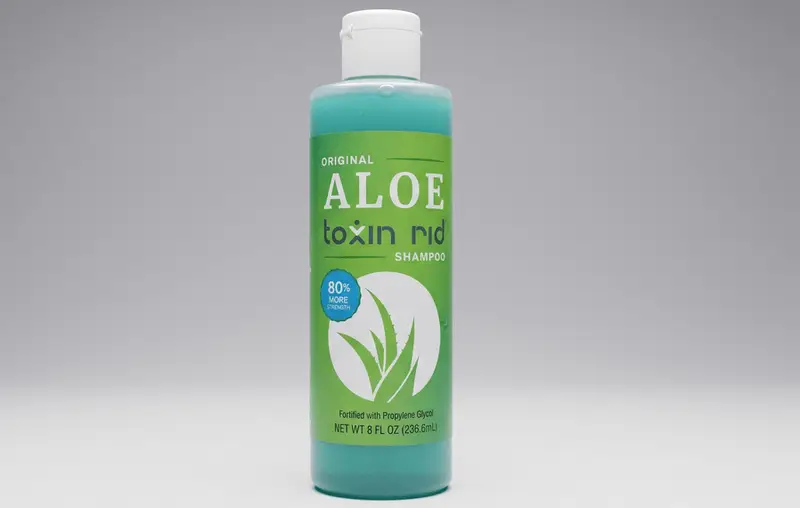
This isn’t your everyday shower product. It’s a specialized, deep-cleansing detox shampoo engineered to penetrate the hair shaft and strip out embedded drug metabolites. It’s widely considered the industry standard for hair detox, largely due to its role in proven methods like the Macujo method.
The formula is a direct recreation of the original, now-discontinued Nexxus Aloe Rid, which gained a legendary off-label reputation in testing communities. In short, it’s a targeted clarifier designed for one high-stakes job: helping you pass.
How Hair Drug Tests Work: Detection, Stakes, and Challenges
But to understand why a specialized product like this is even necessary, you first have to grasp the problem it’s built to solve: the hair drug test itself. This isn’t like a urine test that looks for recent use. It’s a historical record, and that’s what makes it so daunting.
Here’s the core mechanism, simplified. When you use a substance, drug metabolites circulate in your bloodstream. Your hair follicles are fed by a dense network of blood vessels. As your hair grows, those metabolites passively diffuse from your blood into the actively growing hair cells at the follicle’s base. As those cells harden and keratinize to form the hair shaft, the metabolites become permanently trapped inside the hair’s cortex. It’s a biological time capsule.
This leads directly to the primary challenge: hair follicle testing detection windows. Labs typically analyze the most recent 1.5 inches of hair from your scalp. Since head hair grows about half an inch per month, that sample provides a roughly 90-day window of your drug history. The test doesn’t just show you used once; it reveals patterns of use over that entire period. And if testers have to use body hair—which grows much slower—that detection window can stretch back a full year.
The stakes are monumental. A failed result can mean immediate job loss, revoked job offers, or severe legal consequences in probation or family court situations. It’s no wonder the anxiety is so high, and many people research how to pass a hair test; it feels like an unfair, invasive deep dive into your private life. The test is designed to be hard to beat, which is exactly why people seek out a targeted aloe rid shampoo drug test solution. It’s not about masking a surface smell—it’s about chemically addressing the metabolites that are locked deep inside.
That reality brings us to the critical, logical question: If these metabolites are trapped inside the solid structure of your hair, how could any shampoo possibly get them out?
The Science Behind Old Style Aloe Toxin Rid Shampoo: Mechanism and Claims
The core claim of Old Style Aloe Toxin Rid Shampoo is that it doesn’t just clean your hair—it cleans inside your hair. To understand this, think of your hair strand like a hollow straw. Drug metabolites get locked inside that straw during growth. A regular shampoo is like rinsing the outside of the straw; it removes surface dirt and oil but leaves the interior untouched. This product is marketed as a specialized solution designed to flow through the straw’s walls and flush out what’s trapped inside.
The mechanism hinges on a multi-action formula. First, ingredients like propylene glycol act as penetration enhancers, softening the hair’s protective outer layer—the cuticle—to allow deeper access. According to product analyses, this can increase penetration depth by 30-35%. Once inside, chelating agents such as tetrasodium EDTA are designed to bind to drug residues, while surfactants like sodium laureth sulfate work to strip them away. The promise is that repeated applications over several days can reduce metabolite levels in the cortex below the detection thresholds used by labs.
But the truth is, this entire approach depends entirely on the specific blend of ingredients working in concert. That’s why a granular look at what’s actually in the bottle is non-negotiable for assessing its potential impact.
Key Ingredients in Old Style Aloe Toxin Rid Shampoo and Their Roles
The previous section outlined the theoretical mechanism—now let’s drill down into the specific old style aloe toxin rid shampoo ingredients that make it work. This isn’t a random mix; it’s a targeted chemical formulation where each component plays a defined role in the detox process.
The Penetration and Chelation Core
At the heart of the formula are agents designed to breach the hair’s defense system. Propylene glycol is the key penetration enhancer—it works by softening and slightly lifting the protective outer cuticle, creating a pathway for other ingredients to access the inner cortex where metabolites hide. It also acts as a humectant, helping to dissolve embedded residues. Complementing this is EDTA (Ethylene Diamine Tetraacetic Acid), a chelating agent. Think of it as a magnet that binds to metal ions, hard water minerals, and other contaminants, helping to escort them out during rinsing.
The Cleansing System
The shampoo uses a blend of gentle yet effective surfactants to lift and remove what the chelators bind. Ingredients like cocamidopropyl betaine, sodium cocoyl isethionate, and decyl glucoside create lather to break down oils, debris, and surface toxins without completely stripping the hair. This is a critical distinction from harsh household alternatives like bleach or detergent, which can cause severe damage.
The Soothing and Protective Elements
To counterbalance the clarifying action, the formula includes aloe vera (Aloe Barbadensis Leaf Extract) and panthenol. Aloe calms the scalp, reduces irritation from repeated washes, and helps maintain moisture balance. Panthenol (a pro-vitamin B5 derivative) conditions and strengthens hair, adding shine and mitigating dryness. This built-in soothing component addresses a major pain point: the fear of chemical burns and scalp damage from aggressive DIY methods.
In short, the formula is a deliberate system: open the cuticle, bind the toxins, cleanse them away, and protect the hair and scalp. This integrated approach is what separates it from a simple bottle of soap.
Step-by-Step Guide to Using Old Style Aloe Toxin Rid Shampoo
Let’s cut through the anxiety. You’ve got the bottle, you understand the science, but now you need the exact playbook. How do you actually use this shampoo to maximize your chances? A clear, step-by-step protocol is non-negotiable. Following it precisely isn’t just about using the product—it’s about respecting the process to give yourself the best possible shot.
Here is your actionable guide.
Step-by-Step Application Protocol
Step 1: Pre-Wash Preparation
Start by thoroughly wetting your hair with warm water—not hot. Warm water helps open the hair cuticle, creating a pathway for the active ingredients to work. If you have very oily hair or use heavy styling products, first wash with a regular clarifying shampoo to remove surface barriers. Rinse completely.
Step 2: Application & Lathering
Apply a generous amount of Old Style Aloe Toxin Rid Shampoo. For most, a quarter-sized dollop works. For thick, long, or dense hair, use a full palm-sized amount. Using your fingertips (not nails), massage the lather into your scalp and hair with small, firm circular motions for 1-3 minutes. Your focus is critical: zero in on the scalp and the first 1.5 to 2 inches from the roots. This is the zone labs analyze, where metabolites and oils accumulate.
- For Thick, Curly, or Dreadlocked Hair: Divide your hair into sections (like quadrants) to ensure every strand is coated. Use a wide-tooth comb to distribute the lather evenly from scalp to ends.
Step 3: The Critical Soak
This is where many rush and fail. Once massaged in, let the lather sit on your hair for 10-15 minutes. Do not rinse it off early. This dwell time is essential for the propylene glycol and other agents to interact with the hair shaft and bind to impurities.
Step 4: Rinse & Dry
Rinse thoroughly with lukewarm water until the water runs completely clear and all residue is gone. After washing, air-dry your hair or use low/cool heat. Avoid applying heavy conditioners, oils, or styling products to the scalp area immediately after, as they can create a new barrier.
Frequency & The Final Day Protocol
Your timeline dictates your intensity. The goal is 10-15 total washes before test day.
| Time Until Test | Recommended Frequency | Key Notes |
|---|---|---|
| 7-10 Days Out | 1-2 washes per day | Spread washes at least 8 hours apart to allow scalp recovery. |
| 3-6 Days Out | 2-3 washes per day | Maintain the 8-hour gap between sessions. |
| 72 Hours or Less | Multiple spaced washes | Use every available hour, adhering to the full 10-15 min soak. |
On the morning of your test, perform one final Old Style Aloe Toxin Rid wash following all the steps above.
Immediately after this final wash, you must use Zydot Ultra Clean. This is your day-of clarifier. Follow its three-step internal treatment (shampoo, purifier, conditioner) exactly as the label directs. This combination—stripping with Aloe Toxin Rid and then clarifying with Zydot—is the recommended one-two punch for the final wash.
Adapting for Your Hair Type & Body Hair
- For Body Hair (Chest, Arm, Leg, Armpit): If testers might take body hair, apply the same massage and 10-15 minute soak process to those areas during your wash sessions. Be mindful that body hair grows slower and may hold older metabolites.
- For Dry or Curly Hair: To prevent excessive dryness, you can restrict use to once daily or even once monthly if you have ample time, but always prioritize the 10-15 minute soak.
A crucial caveat: This shampoo is a topical cleanser. It cannot remove metabolites already deep inside the hair shaft if you continue using drugs. Abstinence is the absolute prerequisite. Furthermore, excessive washing can cause dryness or irritation; the 8-hour gap between washes is for your scalp’s health.
Commit to the process. The steps are methodical, but they are not complicated. Each one has a purpose: from the warm water opening the cuticle to the mandatory soak time allowing chemistry to work.
But of course, the most pressing question remains: if you follow this protocol to the letter, does it actually translate to a negative result? Let’s look at what the real-world data and user experiences tell us.
Evaluating Effectiveness: User Reviews and Real-World Results
So, does following the protocol to the letter actually work? The old style aloe toxin rid shampoo reviews paint a picture that’s both promising and complex—a landscape of tangible success shadowed by understandable skepticism.
Let’s quantify the impact. According to aggregated user experiences, particularly on forums like Reddit, the Macujo Method—which centers on this shampoo—reports a success rate often cited at 90% or higher when every step is followed with precision. That’s a powerful number. But the truth is, that figure hinges entirely on adherence and individual factors.
Patterns from the Trenches: Success Stories and Failure Reports
Success stories are concrete and resonate with urgency. Users consistently report passing 5-panel hair tests after 10-15 washes over 3-10 days. We see this across multiple threads:
- Daily smokers who quit 1-2 weeks prior achieved negative results.
- Heavy users of substances like methamphetamine (“ice”) passed after intensive, multi-day routines combining the shampoo with bleaching and dyeing.
- Light or occasional users with 7-10 days of preparation frequently report the highest success rates.
At the same time, failure reports are equally granular and cannot be ignored. These often cluster around specific, preventable scenarios:
- Improper Execution: Skipping steps like the vinegar soak or Tide detergent application.
- Insufficient Time: Attempting to cram a multi-day process into 24 hours.
- Heavy, Recent Use: Chronic, daily exposure creates a higher initial metabolite concentration in the hair shaft, making removal more challenging.
- Body Hair Tests: A significant pain point—users who passed head hair tests but failed because the lab sampled armpit or leg hair, which grows slower and retains metabolites longer.
Addressing the “Proof” Objection Head-On
A common purchase objection is disbelief: “Where’s the empty bottle proof? These reviews must be fake.” Here’s the logical rationale. Most users film or post after their test, not during the arduous, multi-day washing process. The proof, for them, is the passed test result or the job offer letter. Furthermore, the anecdotal evidence is the primary source because controlled, scientific studies on this specific commercial product for all drug types simply don’t exist. We rely on the collective data of real-world experiments.
Does It Work for Heavy Users and THC?
This is the core question. The data is inconclusive but instructive.
Does aloe toxin rid work for heavy users? The answer is: it can, but success is less guaranteed and requires a more aggressive, prolonged protocol. Reports show heavy daily users passing after 15+ washes, but others failing under similar conditions.
Does old style aloe toxin rid shampoo really work for THC? THC metabolites are notoriously stubborn. User reviews show it is most frequently discussed and reported as successful for THC, but again, success correlates directly with stopping use immediately and maximizing wash count.
The bottom line from the review analysis is this: The product is a powerful tool, not a magic wand. Its effectiveness is a variable equation where your specific drug history, hair type, and—most critically—your discipline in executing the method are the deciding variables. This reality sets the stage for a crucial question: how does this investment of time, money, and physical effort compare to cheaper, riskier DIY alternatives?
Comparing Detox Methods: Old Style Aloe Toxin Rid vs. Alternatives
You’re looking at the price tag and wondering: is this specialized shampoo really that different from a $20 bottle of generic “detox” shampoo, or from a DIY mix of vinegar and bleach? Let’s cut through the noise and quantify the real trade-offs.
The core difference between Old Style Aloe Toxin Rid and generic versions isn’t just branding—it’s formulation. The authentic Old Style formula is a recreation focused on deep-cleansing agents like propylene glycol, designed for penetration. Newer, generic Nexxus Aloe Rid versions prioritize hair conditioning with ingredients like avocado oil and ceramides. That conditioning focus might leave your hair feeling softer, but it can dilute the detox potency you’re paying for. The risk with generics is twofold: you might get a less effective product, and the market is flooded with counterfeits that are completely ineffective.
When you compare the shampoo to the popular DIY methods—the Macujo or Jerry G methods—the trade-offs become even starker. These aren’t gentle alternatives; they’re aggressive chemical assaults on your hair and scalp.
To align your choice with your goals, here’s a granular breakdown of the key factors:
Old Style Aloe Toxin Rid Shampoo (Used in Macujo Method)
- Cost: High ($134-$170 per bottle, plus additional supplies for the full method).
- Pain & Damage: Moderate to High. The multi-step macujo method steps involve vinegar and salicylic acid, which can cause significant scalp irritation, burning, and dryness.
- Reliability: Higher claimed success rates (often cited 90%+ for THC) when used exactly as directed in the full method. It’s a systematic process.
- Best For: Those who can invest financially and endure physical discomfort for a structured, higher-probability approach.
Generic “Aloe Rid” Shampoos
- Cost: Low to Moderate ($20-$80).
- Pain & Damage: Low. Generally mild, like a strong clarifying shampoo.
- Reliability: Highly variable and unverified. Lacks the specific, potent formula believed necessary for deep cortex cleansing.
- Best For: Those on a tight budget willing to accept significant risk of failure, or as a maintenance wash after a primary detox.
DIY Methods (Macujo/Jerry G)
- Cost: Low ($100-$150 for supplies, but can be cheaper with household items).
- Pain & Damage: Severe. The Jerry G method uses bleach and dye, risking chemical burns, severe hair breakage, and permanent scalp damage. The Macujo method’s Tide detergent can also cause burns.
- Reliability: Inconsistent. While bleach can reduce surface metabolites, it’s brutal on hair and may not reach deeper toxins. Results are unpredictable.
- Best For: The desperate and budget-constrained who are willing to risk major hair damage and inconsistent results.
The bottom line is a direct trade-off: cost and pain versus reliability and safety. The cheap household methods are a high-risk gamble that can leave you with a burnt scalp and a positive test result. Old Style Aloe Toxin Rid, especially within the Macujo framework, represents a more calculated investment—a tangible, if expensive, protocol designed for a specific, high-stakes outcome. Your choice depends on which set of risks you’re better positioned to manage.
Where to Buy and How to Verify Authentic Old Style Aloe Toxin Rid Shampoo
So you’ve decided on a strategy. Now comes the critical action step: securing the actual product. But the truth is, where you buy Old Style Aloe Toxin Rid is just as important as how you use it. A single misstep here can mean wasting hundreds of dollars on a useless fake.
The Only Reliable Source
Let’s be clear. Old Style Aloe Toxin Rid Shampoo is sold exclusively through TestClear. This isn’t just a preferred vendor—it’s the sole authorized distributor recreating the original, discontinued Nexxus Aloe Rid formula. You will not find the authentic, effective version on a retail shelf.
Why you won’t find the original formula in retail stores like Walmart or CVS:
The original Nexxus Aloe Rid was discontinued years ago. The “Nexxus Aloe Rid” you might see at a drugstore is a completely different, modern formulation with no detox properties. Purchasing it would be a costly mistake that provides zero impact for your test.
Red Flags for Counterfeits
Third-party marketplaces like Amazon, eBay, and TikTok Shop are flooded with listings. While convenient, they carry a high risk of counterfeits. Protect your investment by spotting these common red flags:
- Suspiciously Low Prices: A 5 oz bottle typically ranges from $130 to $235. A price drastically lower than this is a major warning sign of a diluted or completely fake product.
- Wrong Bottle Design or Poor Printing: Authentic bottles have clean, consistent labeling. Look for blurry text, misaligned logos, or cheap-looking packaging.
- Unfamiliar Sellers or “New” Stores: Stick to the official source. Unknown sellers with no verifiable history are a gamble.
- Missing Seals or Off Odor: The authentic shampoo has a clean, consistent scent. Reports of a vinegary or chemical smell, or a broken safety seal, indicate a counterfeit.
The Consequence of Getting It Wrong
Buying a counterfeit isn’t just about losing money—it’s a total waste of your time and hope. A fake bottle contains no active detoxifying agents. Following the intense Macujo or Jerry G method with a counterfeit product means enduring all that chemical exposure for absolutely no result. You’d be left with a damaged scalp and a positive test result.
A final, urgent note on timing: If your test is imminent, order immediately. Shipping delays are a real risk, and waiting until the last minute could leave you empty-handed. Planning your purchase is the first, non-negotiable step in your detox protocol.
Cost Analysis: Is Old Style Aloe Toxin Rid Shampoo Worth the Investment?
Let’s talk numbers. A single 5 oz bottle of Old Style Aloe Toxin Rid typically runs between $130 and $235. A combo pack with the required Zydot Ultra Clean day-of treatment usually lands between $170 and $235. On the surface, that’s a significant outlay for a shampoo.
But the truth is, you’re not buying shampoo. You’re investing in a result. That one-time cost secures a product designed to help you pass a test that could unlock a job worth $40,000, $60,000, or more in annual salary. When you quantify it that way, the math shifts. The potential lifetime earnings loss from a failed test—forfeiting a CDL license, a law enforcement career, or a corporate position—dwarfs this one-time expense.
That’s why savvy users look for value. The most actionable tip is to purchase a bundle deal that includes Zydot Ultra Clean. Buying them together is almost always more economical than sourcing them separately. Another legitimate strategy, if you have a trusted friend facing the same test, is to split a bottle. One 5 oz bottle yields 5 to 10 washes, so you can divide the cost and the product.
At the same time, understand that deep discounts on third-party sites are a major red flag for counterfeits. This isn’t the place to hunt for a bargain that’s too good to be true. Align your spending with the tangible goal: passing your test and securing your future.
Common Questions and Mistakes to Avoid with Hair Test Detox
Let’s address the most pressing questions head-on. Clarity here is your best defense against panic and preventable errors.
Q: Can this work if I only have 24 hours notice?
The short answer is: it’s your hardest scenario. The shampoo’s mechanism requires multiple, thorough washes to begin breaking down metabolites. With only 24 hours, you can execute an intensive wash protocol, but you are fighting the clock. Your primary goal becomes maximizing every wash cycle and absolutely using the day-of clarifier—Zydot Ultra Clean—to remove any surface-level contaminants right before your test.
Q: Will it work on body hair (armpits, chest, legs)?
This is a critical distinction. Yes, collectors can and will take body hair if your head hair is too short—typically needing about 100 mg. However, body hair grows much slower, giving it a detection window of up to 12 months. The same cleansing principle applies, but you face two tangible challenges: body hair can be coarser, and you cannot segment it like head hair to show a timeline. The process is the same, but the stakes are higher with older exposure locked in.
Q: Can the lab detect that I used a detox shampoo?
Labs don’t test for the shampoo itself. What they flag is inconsistency. Their instruments look for an unnatural ratio of metabolites or signs of severe chemical damage that doesn’t align with normal hair profiles. A quality hair follicle detox shampoo aims to reduce metabolites without leaving your hair visibly fried. The risk comes from overusing harsh, DIY acids that destroy your hair’s integrity, raising a red flag for the technician.
Myth Debunked: “I’ll just shave my head.”
This is a guaranteed failure. Testers are trained for this. If you present with no viable head hair, they will immediately take hair from your body—arm, leg, chest, or underarm. You’ve now made the test harder for yourself, as that body hair holds a much longer history of use.
Critical Mistakes to Avoid
- Skipping the Day-Of Clarifier: Using the main shampoo but not finishing with Zydot Ultra Clean is like deep-cleaning a floor and then walking on it with muddy shoes. The clarifier is your final rinse to ensure no surface residue remains.
- Re-Contaminating Your Hair: After washing, your hair is vulnerable. Wearing an old heart, sleeping on a pillowcase you used during your smoking days, or even being in a smoky room can redeposit metabolites onto your clean hair shaft.
- Stopping Too Early: Don’t just do the minimum washes. The process requires repetition to work. Stopping because your scalp feels clean is a mistake; the detox is working at a microscopic level inside the hair cortex, not just on your scalp.
Beyond the Shampoo: Long-Term Strategies for Passing Hair Drug Tests
The shampoo is your tactical tool for the immediate fight. But to win the war, you need a broader strategy. Let’s zoom out and look at the bigger picture—what you do before, during, and after the wash matters just as much as the product itself.
Mastering the Day of the Test
Your preparation culminates at the collection site. Think of this as the final checkpoint. To ensure a smooth process and avoid any red flags, you need to have your logistics locked down.
- Bring Valid Government-Issued Photo ID. This is non-negotiable. Your driver’s license, passport, or state ID must be the original—no photocopies or digital images on your phone. The name and photo must match you in person.
- Arrive with Clean, Dry, Untreated Hair. Show up with your hair in its natural state. Don’t apply any gels, sprays, or leave-in conditioners after your final wash. The collector needs a clean, dry sample.
- Have a List of Your Prescription Medications Ready. If you take any prescribed medications, write them down. The Medical Review Officer (MRO) may need this information to rule out false positives, so having it prepared shows you’re proactive and transparent.
Preventing Re-Contamination: The 72-Hour Lockdown
Here’s a critical point many miss: after all that washing, your hair is like a clean sponge. It can re-absorb toxins from your environment. In the final days before your test, you must protect your investment.
Environmental smoke—from cannabis, tobacco, or methamphetamine—can deposit drug metabolites directly onto the hair shaft through airborne particles. Studies show that just 15 minutes of exposure to secondhand cannabis smoke in an unventilated room can lead to detectable THC levels. To prevent this:
- Avoid smoky environments entirely. This isn’t the time to visit friends who still use or hang out in places where substance use occurs.
- Clean your immediate surroundings. Wash your bedding, pillowcases, and any hats or headwear you’ve recently used. Consider using a fresh pillowcase the night before your test.
- Be mindful of cross-contact. Don’t share brushes, headphones, or hats with others. Your goal is to create a clean zone around your head.
The Only Guaranteed Long-Term Strategy
Let’s be clear about what a detox shampoo can and cannot do. It’s a powerful tool for reducing surface and near-surface metabolites. But for a permanent, guaranteed solution, there’s only one method that works every time: complete abstinence and natural hair growth.
Here’s the science. The standard test analyzes the 1.5 inches of hair closest to your scalp, which represents about 90 days of growth. Drugs take 5-10 days after use to enter the hair follicle via your bloodstream. So, to ensure the tested segment is clean, you need to stop all substance use at least 100 days before your test date.
This allows new, uncontaminated hair to grow in and push the old, contaminated portion farther from the scalp. While individual growth rates vary—based on genetics, age, and health—the 100-day rule provides a safe buffer. This long-term approach, paired with understanding how to flush your system for a drug test, overall health, and hydration, is your ultimate foundation for passing any future test with absolute confidence.
This strategic mindset—combining a targeted product with smart preparation and a long-term plan—is what transforms anxiety into control. You’re not just washing your hair; you’re engineering a clean result.
Preventing Re-Contamination: The Clean-Zone Protocol
You’ve done the hard work. You’ve followed the steps, endured the washes, and stripped your hair of past metabolites. But here’s the critical part most people miss: your detox can be undone in the final hours. External contamination is a tangible risk—drug residues from your environment can redeposit onto your freshly cleaned hair, creating a false positive that lab technicians will flag.
Think of it like this: you wouldn’t scrub your floors clean and then walk through a muddy construction site. The same principle applies here. Drugs, especially lipophilic compounds like THC and cocaine, readily adsorb to hair from surfaces and the air. According to research, even brief exposure to secondhand smoke in an unventilated room can lead to detectable levels. Your goal is to create a sterile, clean-zone environment from the moment your detox protocol ends until your hair sample is cut.
This isn’t about paranoia; it’s about actionable, granular prevention. Here’s your veteran protocol to lock in your results.
The Post-Detox Lockdown: Your Step-by-Step Shield
1. Replace Your Grooming Arsenal. Immediately.
Your old combs, brushes, and hair ties are contaminated. They’ve been in contact with your hair during periods of use and now harbor residues. Do not use them after your final detox wash.
- Action: Purchase a new, inexpensive comb and brush set. Keep them sealed in their packaging until your detox is complete, then use them exclusively.
- Why: A single stroke with an old brush can transfer drug particles directly onto your clean hair shaft. This is a preventable, self-inflicted failure.
2. Command Your Bedding: The Pillowcase Rule
Your pillowcase is a reservoir for sweat, sebum, and environmental particles from the past months. If you’ve smoked in your bedroom or even been in the room after use, residues are embedded in the fabric.
- Action: Starting the night you begin your detox, sleep on a brand new, clean pillowcase every single night. Use a fresh one the night before the test.
- Why: Your hair is in direct contact with your pillow for 6-8 hours. This prolonged exposure is a prime mechanism for re-contamination via sweat and direct contact.
3. Quarantine Contaminated Clothing and Headwear
That favorite beanie, hoodie, or hat you wore while smoking? It’s now a contamination vector. The fabric absorbs and traps smoke and particulates.
- Action: Do not wear any hat, hoodie, scarf, or jacket that you frequently wore during your period of substance use from the start of your detox until after your test. Opt for freshly laundered clothing or new, cheap items.
- Why: Putting on an old, contaminated beanie on your way to the lab is one of the most common—and easily avoidable—mistakes. It can directly deposit cocaine, THC, or other metabolites onto your hair.
The Bottom Line: Protect Your Investment
You’re investing significant time, money, and physical effort into this detox. The clean-zone protocol is the final, non-negotiable step to safeguard that investment. It’s the difference between a confident, clean result and a devastating, preventable failure.
This level of detail might seem extreme. But the science is clear: external contamination is a documented cause of false positives. By controlling your environment with this level of precision, you eliminate the last variable. You ensure that the only thing the lab finds is what’s naturally (not) in your hair.
Key Takeaways: Your Roadmap to a Successful Hair Test Detox
Here is your roadmap to passing a hair follicle drug test. Follow these steps to take control of the process.
- Understand the Test. The lab analyzes the 1.5 inches of hair closest to your scalp, which holds about 90 days of history. Your goal is to reduce metabolite levels in that specific zone below the lab’s cutoff threshold.
- Know How the Shampoo Claims to Work. This isn’t a regular cleanser. Old Style Aloe Toxin Rid is designed to penetrate the hair shaft with solvents and chelating agents to bind to and extract embedded drug residues. It’s a topical tool for the hair you have, not a systemic detox.
- Follow the Steps Precisely. Success is in the details. You need a sufficient number of washes (often 10-15), each with the proper 10-15 minute dwell time. Using it as part of a multi-step protocol, like the Macujo method, can improve its impact. Precision is non-negotiable.
- Buy the Authentic Product. Ensure you’re getting the correct, original formula. Counterfeits or the wrong version waste your money and your chance. Purchase from a verified source.
- Manage the Process and Your Environment. Your preparation doesn’t stop at your hair. You must abstain from new use and meticulously prevent cross-contamination from old clothes, hats, or bedding to protect your results.
The core truth is this: Old Style Aloe Toxin Rid Shampoo is a specialized tool that, when used correctly and as part of a disciplined plan, significantly improves your odds. You now have the actionable framework. Execute it with confidence.