How to Pass a Hair Drug Test: Complete Science-Based Guide
Feeling the pressure of a hair drug test and searching for how to pass? You’re not alone. This is one of the most high-stakes screening methods out there, and the internet is a minefield of conflicting, often dangerous, advice. The anxiety is real—your job, your license, or even your family could be on the line. But the truth is, most of the “quick fixes” you’re reading about are myths that can waste your money, damage your hair, and ultimately fail.
This updated guide for 2024 and 2025 is built to cut through the noise. We’re not here to sell you a miracle shampoo. Our goal is to replace fear with facts. We’ll start by explaining exactly how these tests work and why they’re so hard to beat. Then, we’ll systematically debunk the most common myths—from detox shampoos to harsh chemical methods—so you can stop wasting time and energy. Finally, we’ll outline the only evidence-based path forward, giving you a tangible, realistic strategy. Let’s get you the clear, actionable information you need to move forward.
Hair Drug Testing Explained: How It Works and Common Misconceptions
Let’s start with the first foundational fact: what a hair drug test actually is. Think of it less like a snapshot of your last few days and more like a timeline or a tape recorder of your past substance use. Here’s the core science, made simple.
When you use a drug, its chemical byproducts—called metabolites—enter your bloodstream. As your hair grows, these metabolites get trapped inside the hair shaft from the blood vessels at the follicle root. It’s a biological process of incorporation, not something sitting on the surface that a good wash can remove.
This leads to the most critical feature of the test: its long detection window. The standard look-back period is approximately 90 days. That’s because labs typically test the 1.5 inches of hair closest to your scalp, which represents about three months of growth based on the average human hair growth rate of half an inch per month.
This is fundamentally different from a urine test. A urine test detects recent use, often within the last few days. A hair test, however, is designed to reveal a pattern of use over months. This distinction is the source of most confusion and failed “quick fix” attempts.
Key Facts That Change the Game:
- It’s a History Report: The test can’t pinpoint the exact day you used, but it shows whether a drug was used during that 90-day window.
- It’s Looking for Evidence Inside: The lab analyzes the inside of the hair strand (the cortex), where metabolites are locked in. External contamination can sometimes occur, but labs use specific metabolites and wash procedures to distinguish true use.
- The Sample is Small: They only need a snippet—about 100 milligrams, or the thickness of a pencil—cut close to your scalp. The follicle itself stays in your head.
Understanding this biological mechanism is the first step. It clarifies why simply bleaching the outside or using a special shampoo the day before rarely provides a tangible solution. The evidence is woven into the hair’s growth from months ago.
This reality is precisely why “quick fixes” are often myths. To understand your actual timeline and what you’re up against, we need to drill-down into the detection window specifics.
- Highly effective for drug tests
- Effective for heavy users
- Suitable for dreadlocks and dark hair
- Used in Macujo and Jerry G methods.
How Long Do Drugs Stay in Your Hair? Understanding Detection Windows
Let’s tackle the most urgent question first: how long until your hair is clean? The short answer is that it’s not about days—it’s about months. Here’s the timeline you need to understand.
The Standard Detection Window: A 90-Day Snapshot
The industry standard for a hair drug test is to analyze the most recent 1.5 inches of hair growth from the scalp. This segment corresponds to approximately 90 days of history. That’s why you’ll often hear the test “looks back 90 days.”
But the clock doesn’t start the day you quit. It’s more nuanced than that. After you use a drug, it takes 5 to 10 days for those metabolites to travel through your bloodstream and become permanently locked into the new hair growing from your follicle. So, your hair is always telling a story that’s at least a week old.
Visualizing Your Personal Timeline
Imagine your hair growth as a slow-moving recorder:
- Day 0: You use a substance.
- Days 5-10: Metabolites enter the hair shaft at the root.
- Month 1: That contaminated segment is now about 1 cm from your scalp.
- Month 3: That same segment is now 3 cm from your scalp—right in the middle of the standard 3.8 cm (1.5-inch) sample a lab will cut.
This is why the question “Can I pass a hair follicle test in 60 days?” is so common—and so critical. The math is tough. If you have only 60 days clean, the contaminated hair from your last use is still growing and will likely be included in the sample. The lab isn’t just looking for a single spike; they’re measuring the average concentration of drug metabolites across that entire 1.5-inch segment.
Key Variables That Change Your Timeline
Your personal clearance time isn’t set in stone. It depends on several factors:
- Frequency of Use: A single, small use may not deposit enough metabolites to exceed the test’s cutoff level. Chronic, heavy use saturates the hair, making it detectable for the full window.
- Your Hair Growth Rate: The 1 cm/month figure is an average. Your actual rate—slower or faster—changes how much history is captured in that 1.5-inch sample. Slower growth means a longer historical period is represented.
- Drug Type and Potency: Different substances bind to hair proteins with varying efficiency.
The bottom line is this: to guarantee a clean 1.5-inch sample, you need a solid 100 days of abstinence. This accounts for the 5-10 day incorporation delay and gives a buffer for individual variation. If you have a test in 30 or 60 days, the evidence of past use is almost certainly still in the growth zone that will be sampled. Understanding this biological reality is essential before evaluating any method that claims to work faster.
Understanding Hair Test Results: Negative vs. Positive and Lab Procedures
So, you know the test looks back 90 days. But what does the lab actually do with your hair, and what do their findings mean for you? Let’s break down the process so you can separate fact from fear.
A negative result is the goal. It simply means the amount of drug or drug metabolite found in your hair sample falls below a specific, pre-determined level called a cutoff. These cutoffs—like 0.1 pg/mg for THC confirmation or 500 pg/mg for cocaine—are scientifically established thresholds. If your levels are under that number, you pass.
To get to that result, reputable labs don’t just run one test. They use a rigorous, two-step process to ensure accuracy and minimize errors.
Step 1: The Initial Screening
First, your hair sample (typically a 50mg snippet) goes through an initial screening. This is usually an immunoassay test—a fast, broad-stroke method that detects the presence of drug classes. Think of it as a sensitive first filter. Here’s a critical point: a faint line or a preliminary positive on this screen does NOT mean you’ve failed. It simply flags the sample for the next, more precise step.
Step 2: Confirmatory Testing
Any sample that screens positive undergoes mandatory confirmation testing using highly specific technology like Gas Chromatography-Tandem Mass Spectrometry (GC-MS/MS) or Liquid Chromatography-Tandem Mass Spectrometry (LC-MS/MS). This is the gold standard. It doesn’t just detect a drug class; it identifies the exact molecular structure of the drug or its unique metabolite, proving it came from ingestion, not just external contamination. A separate aliquot of your hair is used for this confirmation to preserve sample integrity. The lab absolutely double-checks.
If you have a legitimate prescription for a medication that could cause a positive result, the process doesn’t end at the lab. Your result is sent to a Medical Review Officer (MRO)—a licensed physician. The MRO will contact you directly to verify your prescription and medical history before reporting the final result to your employer or agency. This is your official recourse.
Finally, be aware of the term “adulterated” or “rejected for testing.” This happens if a sample appears tampered with, is too small, or is contaminated with something that interferes with the analysis. This outcome is a major red flag and is typically treated as a refusal to test or a failed test, carrying the same severe consequences as a positive result.
The Reality of Short-Notice Hair Tests: Why Quick Fixes Fail
You’re staring at a test date that’s just days away. The panic is real, and the first question screaming in your mind is: “What can I do right now to pass?” Let’s be clear: if your test is in 24 hours, 48 hours, or even a week, there is no scientifically proven method to cleanse drug metabolites from the inner core of your hair shaft in that timeframe. The desire for a quick fix is completely understandable, but acting on it can waste money, damage your health, and even backfire during the testing process.
Here’s the hard truth, grounded in biochemistry. When you use a substance, its metabolites don’t just sit on your hair’s surface like dust. They diffuse from your bloodstream into the actively growing hair follicle cells. During a process called keratogenesis, these metabolites become permanently locked inside the hardened hair cortex through strong electrostatic bonds. They are not on the surface; they are woven into the structure of the hair strand itself.
This is why the promise of passing a hair follicle test in one day or two days is a scientific impossibility. No shampoo, no matter how aggressive, can penetrate the hair’s cuticle layer and reverse that bonding process in a single wash or even over a weekend. Standard laboratory decontamination washes—which are far more rigorous than any consumer product—can take 4 to 16 hours just to reach an equilibrium, and they primarily target surface contaminants, not the internally incorporated drugs.
The reality of fast/ASAP results is also a myth when it comes to altering your hair’s internal chemistry. While a lab can process a sample quickly, the timeline for you to effect change is measured in weeks and months of abstinence, not days. Pursuing extreme measures like the Macujo method (using vinegar, salicylic acid, and detergent) or the Jerry G method (repeated bleaching and dyeing) in a frantic, short-notice attempt often leads to severe consequences: chemical burns, scalp irritation, hair breakage, and significant hair loss.
Furthermore, lab technicians are specifically trained to identify hair that has been chemically compromised. Excessively damaged, fried, or brittle hair is a major red flag. It can lead to your sample being labeled “adulterated” or rejected for testing.” As noted in the previous section, this outcome is frequently treated as a failed test or a refusal to test, carrying the same severe impact on your employment or legal standing as a positive result. You’re not just fighting the metabolites; you’re fighting a system designed to detect attempts to cheat it.
So, what does this mean for your short-notice test? It means the only reliable, evidence-based path forward is to understand the detection window, prepare for the collection process, and know your rights if you have a valid prescription. The desperation is valid, but the solution isn’t a frantic, last-minute chemical assault on your hair—it’s navigating the test with a clear understanding of the facts.
Why Hair Retains Drug Evidence: The Science of Metabolite Incorporation
But the truth is, you can’t fight a system you don’t understand. And to understand why those last-minute washes fail, you need to grasp the biological reality of how drugs become a permanent part of your hair’s structure. This isn’t about surface stains; it’s about a locking mechanism that happens deep inside the follicle.
The Biological Trap: From Bloodstream to Hair Shaft
The process is a one-way street, and it starts the moment a drug enters your bloodstream. Here’s the granular breakdown of how your hair becomes a permanent record:
- Passive Diffusion: As your hair grows in its active anagen phase, drugs circulating in your blood passively diffuse from nearby capillaries into the hair follicle’s root cells. Think of it like a dye soaking into a sponge during its growth spurt.
- The Acidic Trap: Inside those cells, the environment is acidic. This causes many drug molecules—especially weak bases like cocaine, methamphetamine, and opioids—to become ionized (electrically charged). Once charged, they can’t easily diffuse back out. They are physically trapped.
- Permanent Binding: As those cells harden and keratinize to form the hair shaft, those trapped drug metabolites bind electrostatically to two key proteins: melanin (which gives hair its color) and keratin (its structural protein). This binding becomes a permanent, chemical cross-link. The drug isn’t on the hair; it’s woven into its core.
This is why surface-level treatments—from detox shampoos to harsh chemical scrubs—are fundamentally ineffective. You’re trying to wash out something that is chemically bonded inside a hardened protein structure. It’s like trying to remove the ink from a written page by washing the paper’s surface.
Head Hair vs. Body Hair: The Detection Window Myth
A common and dangerous misconception is that if testers take hair from your arm, leg, chest, or armpit, the detection window will be shorter. The science tells the opposite story.
- Scalp Hair: Grows consistently at an average rate of about 1 cm per month. It has a high percentage of follicles in the active growth phase, making it the preferred sample for a clear, month-by-month timeline. Standard tests analyze the most recent 1.5 inches, representing approximately 90 days of growth history.
- Body Hair (Arms, Legs, Chest, Beard): Has a much slower and more variable growth rate. Crucially, a larger percentage of body hair follicles are in the resting (telogen) phase at any given time. Drugs incorporate during the active phase, but because body hair has longer resting phases and cycles, it can retain drug evidence for a much longer period—often up to a year. It cannot be segmented for a precise timeline, so it provides a broader, longer detection window.
In fact, according to research, concentrations of certain drugs like THC can be statistically higher in body hair like leg hair due to these extended exposure windows. So, if you’re bald or have very short head hair, and the collector turns to your body, you’re not getting a break—you’re potentially facing an even longer look-back period.
The takeaway is clear: The incorporation process is permanent and internal. The only variable that reliably reduces the detectable evidence is time and abstinence, allowing clean hair to grow in. Any method claiming to chemically strip or mask these bound metabolites is fighting against fundamental biochemistry—and that’s a battle the evidence shows you cannot win.
Evaluating Detox Shampoos and Home Remedies: Do They Really Work?
The belief that special shampoos or home remedies can chemically strip drugs out of your hair is one of the most persistent and dangerous myths out there. When you’re desperate to pass, the marketing for these products feels like a lifeline. But let’s be clear: the scientific evidence doesn’t support their core claims, and using them carries real, severe risks.
The Truth About Commercial “Detox” Shampoos
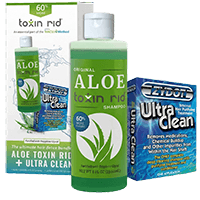
When you search for “what shampoo will pass a hair follicle test,” you’ll find products like Old Style Aloe Toxin Rid shampoo and Zydot Ultra Clean. They often claim “advanced microsphere technology” or use ingredients like propylene glycol and chelating agents (e.g., EDTA) to penetrate the hair shaft and remove metabolites.
Here’s the actionable reality check:
- Lack of Scientific Proof: According to a 2023 study in the journal Forensic Science International, single applications of detox shampoos showed “no significant EtG reduction or up to a 72% decrease for drugs of abuse.” Even prolonged, repetitive incubation (up to 10 hours) with one product only reduced a biomarker by a mean of 73%—and that was the best result among four tested products. There is a glaring lack of peer-reviewed evidence that these shampoos work as advertised on actual drug metabolites like THC or cocaine.
- The Mechanism is Flawed: Chelating agents are designed to bind to metal ions and mineral deposits on the hair’s surface. They do not target the organic drug metabolites that are chemically bound to the melanin and keratin deep inside the hair’s cortex. They can’t reach where it matters.
- A Consumer Protection Issue: The FDA classifies shampoos claiming to remove drug metabolites as unapproved drugs if they make therapeutic claims. The FTC has pursued enforcement against products with unsubstantiated claims of altering drug test results. This isn’t just ineffective—it’s a regulatory red flag.
The bottom line on “best detox shampoo reviews”: Be extremely skeptical. The lack of comparative, verified reviews from independent sources is a major warning sign. Many positive testimonials are anecdotal and unverifiable, while negative reviews often report failed tests despite following instructions precisely.
- Highly effective for drug tests
- Effective for heavy users
- Suitable for dreadlocks and dark hair
- Used in Macujo and Jerry G methods.
The Brutal Reality of DIY Home Remedies
This is where methods like the Macujo method overview become infamous. It’s a multi-step procedure using household items, and understanding how to clean hair for a drug test with these methods is critical to understanding why they fail.
The process typically involves:
- Applying home remedies like vinegar and baking soda or salicylic acid astringents (e.g., Clean & Clear).
- Using laundry detergent (like Tide) and sometimes bleach.
- Repeating this cycle multiple times.
The theory is that these harsh chemicals will force open the hair’s protective cuticle layer, allowing you to wash out the metabolites from the inner cortex. But the science shows this is a losing battle.
- Surface Damage, Not Deep Cleansing: These chemicals primarily wreak havoc on the outer cuticle, causing severe damage. They cannot reliably or uniformly penetrate to the inner cortex to remove the metabolites that are permanently incorporated as the hair grew.
- Severe Health Risks: The risks are tangible and dangerous. Repeated exposure to acidic vinegar, alkaline detergents, and harsh surfactants can cause:
- Chemical burns on the scalp, forehead, and neck.
- Severe dermatitis, painful rashes, and open sores.
- Permanent hair loss and destruction of hair follicles.
- Extreme scalp irritation and inflammation.
- It’s Detectable: Labs are trained to spot chemically damaged hair. Hair that is fried, discolored, or has an abnormal texture from bleach and acid treatments raises immediate red flags. Furthermore, using any substance to adulterate a drug test sample can be considered fraud, leading to automatic failure and serious legal or employment consequences.
When you’re looking at how to clean hair for a drug test, the painful truth is that these DIY methods don’t offer a clean path. They offer a path to a damaged scalp and a likely failed test.
The Unvarnished Conclusion
The quest for a shampoo or home remedy that can defeat a hair follicle test is a quest built on marketing and desperation, not biochemistry. The metabolites are part of the hair’s structure. Damaging the hair’s exterior doesn’t remove them; it just creates new problems. The only variable that reliably reduces the evidence is time and abstinence, allowing clean hair to grow in. Any method claiming to chemically strip or mask these bound metabolites is fighting against fundamental science—and that’s a battle the evidence shows you cannot win.
The Truth About Chemical Methods for Hair Drug Tests: Risks and Realities
So you’re considering the nuclear option. When the pressure is on and the test is days away, aggressive chemical methods like bleaching, dyeing, and the infamous Macujo method can seem like the only tangible path forward. The logic feels straightforward: if drugs are locked inside the hair, use harsh chemicals to blast the hair open and wash them out. But the truth is, this approach trades one catastrophic risk for another, and the science shows it’s a gamble with terrible odds.
Let’s break down the most common protocols and their purported logic.
The Macujo Method: A Case Study in Aggressive Chemistry
This multi-step DIY regimen is perhaps the most discussed—and most physically punishing—approach. The core principle aims to open the hair’s protective cuticle layer to cleanse the inner cortex where metabolites bind. Following the specific Macujo method steps, a typical cycle involves:
- Applying an astringent (like salicylic acid) to begin stripping oils.
- Saturating hair with white vinegar.
- Applying a detergent (like liquid Tide) to further break down barriers.
- Using a specialized clarifying shampoo in multiple washes.
The entire process is repeated over multiple days, with light-to-moderate users needing 5–8 cycles and heavy users potentially requiring 10–15. A single cycle can take 2–3 hours, creating a grueling, painful marathon of chemical exposure.
Bleaching, Dyeing, and Perming: The Cosmetic Gamble
Other methods skip the multi-step process for direct chemical assault.
- Bleaching: Uses oxidative agents to degrade melanin and disrupt keratin bonds, increasing hair porosity. Studies show it can reduce drug concentrations—by a mean of 34% for THC and 50–80% for cocaine. But a reduction is not elimination.
- Dyeing: Often involves an initial bleaching step, offering similar but slightly lesser reductions (e.g., 20–50% for cocaine).
- Perms & Relaxers: Use alkaline thioglycolate or lye to break disulfide bonds. One study found a single relaxer treatment could leave 6–67% of original drug concentrations in fortified hair.
Here’s the critical disconnect: while these chemicals degrade the hair’s outer structure, evidence indicates they do not reliably remove metabolites from the deep cortex. You might see a percentage drop in a lab sample, but that doesn’t guarantee your test will dip below the cutoff threshold. The outcome is wildly unpredictable based on your drug history, hair type, and the exact products used.
The Severe Physical and Practical Consequences
Enduring pain does not equal a passing result. The physical toll is well-documented and severe.
- Chemical Burns & Scalp Damage: The combination of acids, bleach, and detergents frequently causes intense irritation, redness, open sores, scabs, and painful dermatitis. Users report raw, bleeding scalps.
- Permanent Hair Loss: Repeated chemical trauma can destroy hair follicles, leading to bald patches and permanent hair loss—not just breakage.
- Lab Detection: This is a critical, often overlooked risk. Laboratories are trained to spot chemically treated hair. Fried, brittle, oddly colored, or unevenly bleached hair is a major red flag. Technicians note this in their report, which can lead to a sample being flagged as adulterated or suspicious, triggering a closer review or a demand for a retest under direct observation.
The bottom line is stark. These methods are a high-risk, low-certainty strategy. You’re inflicting tangible, painful damage on your body for a chance—not a guarantee—of reducing some metabolite levels. And even if you endure the pain, the lab may see the evidence of your attempts written all over your scalp and hair shaft.
The only variable that reliably cleans your hair is time and abstinence, allowing new, clean growth. Any chemical shortcut is fighting against that fundamental biochemistry, and the data shows it’s a battle where the collateral damage is severe and the victory is far from assured.
Can You Avoid a Hair Test by Shaving? Myths and Realities
Let’s tackle a common, desperate thought: “If I just shave my head, they can’t test my hair, right?” It’s a logical leap, but the reality of hair specimen collection makes this strategy ineffective and potentially costly.
The Collector’s Playbook: Alternative Body Hair
If your head hair is too short, shaved, or otherwise unavailable, the collector doesn’t just give up. They simply move to an alternative site. According to established protocols, acceptable specimens can be taken from the arm, leg, chest, back, underarm, or face. This is standard procedure in non-federal programs when head hair isn’t an option.
Here’s the critical impact on your detection window: body hair grows significantly slower than head hair. While head hair provides a roughly 90-day history, body hair can retain a record of drug use for up to 12 months. So, by shaving your head, you might force the test to use a specimen with a much longer—and potentially more incriminating—timeline.
Dreadlocks, Short Hair, and Special Cases
What if you have dreadlocks or a very close buzz cut? Labs will work with what’s available. The collector will take the required sample amount—approximately 100 milligrams—and may note your hair type and length on the chain of custody documentation. For those with dreadlocks, this could mean cutting a small section from a lock. The test proceeds based on the hair you have, not the hair you wish you had.
The High Cost of a Shave: Suspicion and Refusal
Attempting to cheat a test by shaving all your body hair is not a consequence-free loophole. It often raises immediate red flags. A donor presenting with no usable hair whatsoever can be interpreted as a deliberate attempt to subvert the testing process.
This can lead to a “failure to provide” result, which many employers and testing authorities treat as a refusal to test. The repercussions are severe and tangible: you may be disqualified from a job opportunity, violate probation terms, or face other serious administrative or legal actions. The strategy doesn’t avoid the test; it often guarantees a negative outcome through refusal.
A Note on Facial Hair and Other Alternatives
Facial hair is also a viable specimen source. If you’re facing a test and have a beard or mustache, understand that it is within the collector’s rights to use it. Similarly, while armpit and body hair are common alternatives, they are not used for alcohol marker testing (EtG, EtPa) due to contamination risks from sweat and sebum. The key takeaway is that the human body provides multiple specimen options, and collectors are trained to use them.
The drive to find a physical loophole is understandable, but shaving is a strategic dead end. It exchanges one problem for a worse one: a guaranteed failure instead of a test result you might have been able to influence with the right knowledge and time. The only reliable path forward doesn’t involve razors or risking refusal—it involves understanding the test’s parameters and making decisions based on that reality.
How Different Drugs Appear in Hair Tests: THC, Cocaine, Meth, and More
Not all drugs behave the same way in a hair follicle test. This is a critical point that many online guides oversimplify, leading to dangerous misconceptions. The chemical properties of each substance dictate how—and how well—it gets locked into your hair shaft. A method that might theoretically impact one drug could be completely useless for another. Let’s break down the specifics for the major drug classes so you understand the playing field.
THC (Weed, Cannabis)
When it comes to how to pass a hair follicle test for weed, understanding THC’s unique behavior is key. Compared to other drugs, THC and its primary metabolite, THC-COOH, incorporate into hair relatively poorly. If you are looking for broader strategies regarding this substance, you should see our guide on how to pass a drug test for THC. The standard cutoff for THC-COOH is very low (as little as 0.1 to 0.2 pg/mg for confirmation), but the body doesn’t deposit it into hair efficiently. However, THC itself can get into hair from external contamination—like smoke or sweat on your hands—which is why labs test for the metabolite THC-COOH as definitive proof of ingestion. Detection rates are heavily influenced by frequency of use: one study showed 85% detection for daily users versus 52% for those using a few times a week. The core challenge for weed is that while incorporation is poor, the test is extremely sensitive.
Cocaine and Opioids
These are the substances that hair tests are exceptionally good at finding. Cocaine, in particular, shows the highest incorporation rate of any common drug. It binds strongly to melanin, the pigment in your hair, which means it locks in tightly and is very difficult to remove. Its metabolite, benzoylecgonine, is the primary marker labs look for. Opioids like heroin, morphine, and codeine also incorporate well and are reliably detected for the full 90-day window. Chronic, heavy use of these substances creates a strong, persistent signal in the hair that is exceptionally hard to mask or wash out.
Methamphetamine and Amphetamines
Meth and other amphetamines also incorporate into hair effectively. Confirmation for meth requires finding both the parent drug and its metabolite, amphetamine, above specific cutoffs. The chemical structure of these drugs makes them prone to binding within the hair matrix. Like cocaine, detection is robust and reliable for chronic users.
Alcohol
This is where testing gets highly specific. Hair tests for alcohol don’t look for ethanol itself. Instead, they look for two direct metabolites:
- Ethyl Glucuronide (EtG): A minor metabolite of ethanol that is water-soluble and incorporates into hair from the bloodstream.
- Fatty Acid Ethyl Esters (FAEEs): Produced in the body and sebaceous glands, these can incorporate into hair via sweat and sebum.
EtG is the most common marker. Its presence provides a reliable indicator of chronic alcohol consumption over the 90-day window, with established cutoff levels to distinguish between social drinking and heavy, prolonged use.
The Big Picture: Why One Size Doesn’t Fit All
The key takeaway is that drug-specific detection differences are profound. The idea that a single harsh chemical wash or shampoo can equally strip THC, cocaine metabolites, and alcohol markers is not supported by the science of how these compounds bind to keratin. Furthermore, heavy, chronic use of any substance makes detection far more likely and removal far more difficult. This variability is exactly why blanket promises of a universal “pass” method are so misleading. Your strategy must account for the specific substance in question and the reality of its chemical behavior.
- Highly effective for drug tests
- Effective for heavy users
- Suitable for dreadlocks and dark hair
- Used in Macujo and Jerry G methods.
Understanding False Positives in Hair Drug Tests: Environmental Exposure and Challenges
Could second-hand smoke or that poppy seed bagel you had for breakfast make you fail a hair test? It’s a common and understandable fear. Let’s be clear: modern confirmatory testing is designed to be highly specific, making a true false positive from passive exposure exceedingly rare.
Here’s the actionable breakdown of why, and what your legitimate recourse options actually are.
How Labs Filter Out Environmental Noise
Before a lab even tests for drugs, they take critical steps to isolate what’s in your hair from what’s merely on it. The process is methodical.
- Rigorous Washing: Your hair sample undergoes a decontamination wash sequence using organic solvents (like methanol) and aqueous solutions. This is designed to strip away external contaminants—smoke residue, dust, or direct contact—from the hair’s surface. According to the Society of Hair Testing guidelines, this washing is a standardized step to ensure the analysis focuses on drugs incorporated through systemic use.
- Stringent Cutoff Thresholds: Even after washing, labs don’t flag every trace. They use specific cutoff levels—minimum concentrations that must be met. For example, the proposed SAMHSA screening cutoff for cannabinoids is 1 pg/mg. These thresholds are scientifically set to distinguish between someone who passively inhaled smoke days ago and someone who actively consumed the substance. A result below the cutoff is simply reported as negative.
The Power of Confirmation Testing
If a sample screens positive, it doesn’t automatically mean you fail. It triggers a much more precise analysis.
- GC-MS/MS or LC-MS/MS: This is the gold standard. Confirmation testing uses mass spectrometry to identify the exact molecular fingerprint of a drug and its metabolites. This technology can tell the difference between a parent drug (which could theoretically come from contamination) and a metabolite (like THC-COOH or benzoylecgonine), which your body produces only after ingestion.
- The Metabolite Rule: The presence of specific metabolites is a key indicator of internal use. For instance, finding the metabolite benzoylecgonine alongside cocaine strongly indicates consumption, not just environmental contact. Labs also look at metabolite-to-parent drug ratios that are consistent with systemic absorption.
The Legitimate Challenge Process: What Actually Works
If you receive a positive result and believe it’s in error, there is a formal process. Challenging based solely on a claim of environmental exposure is an uphill battle, but you have defined rights.
- The MRO Interview: This is your first and most critical step. A Medical Review Officer (MRO)—a licensed physician—will contact you to review the result. This is your opportunity to disclose any legitimate prescriptions. The MRO’s role is to verify if a positive result is due to a prescribed medication. Be prepared to provide pharmacy records or a doctor’s contact information immediately.
- Requesting a Re-Test: You have the right to request a formal re-test of the original, sealed hair sample at a different certified laboratory. This is typically done at your own expense. The re-test uses the same rigorous methods to confirm the initial finding.
The bottom line: The science and procedures are built to minimize false positives from your daily environment. While no system is perfect, the combination of wash protocols, high cutoffs, and metabolite-specific confirmation makes a positive result based on a bagel or second-hand smoke highly improbable. Your focus should be on the legitimate, evidence-based process—engaging with the MRO and understanding your re-test options—rather than on myths about passive exposure.
Managing Prescribed Medications and Hair Drug Tests: What You Need to Know
If you have a legitimate prescription for a medication that might appear on a drug test, take a deep breath. The process is designed to account for legal use—it’s not an automatic fail. But here’s the critical part: you must be proactive. The time to disclose your prescriptions is before you even provide your hair sample, not after a lab flags a positive result.
The Correct Procedure: Disclose to the MRO Upfront
When you arrive for your collection, have a list of every prescription and over-the-counter medication you’re currently taking. This includes:
- ADHD medications (like Adderall or Ritalin, which are amphetamines)
- Opioid painkillers (like hydrocodone or oxycodone)
- Anxiety medications (like Xanax or Valium)
- Any other controlled substance you are legally prescribed.
Provide this list to the collector or directly to the Medical Review Officer (MRO) if given the opportunity. According to collection guidelines from major labs, having this information on hand streamlines the entire verification process.
The MRO’s Role: Verification, Not Judgment
Think of the MRO as your advocate in the verification process. Their job isn’t to punish you for having a prescription. Their role is to:
- Verify that you have a valid, current prescription from a licensed physician for the substance detected.
- Differentiate between legal, prescribed use and illicit drug abuse.
- Determine if the levels found in your hair align with your prescribed dosage.
Let’s be clear: A prescribed opioid or amphetamine will not be automatically reported as a fail to your employer or probation officer. Once the MRO confirms your prescription through your pharmacy or doctor, they will report the test as negative. The system is built to protect individuals using medications as directed by their healthcare provider.
The Specific Risk You Must Avoid: CBD and Hemp Products
This is where many people get tripped up. You might think CBD oil or hemp-derived products are a safe, legal alternative. But the truth is, they are a major risk for a positive THC result.
- Trace THC: Federal law allows hemp products to contain up to 0.3% THC. While this seems minuscule, consistent use can lead to THC accumulation in your hair follicle.
- No Valid Defense: Telling an MRO, “But it was just CBD,” is not a valid defense. The lab test detects the THC metabolite itself. The source—whether from marijuana or a contaminated CBD product—is irrelevant to the test result. You will be reported as positive for THC.
The actionable takeaway: To protect yourself, immediately stop using any CBD or hemp products if you have a test looming. If you have used them recently, disclose this to the MRO just as you would a prescription, but understand it will likely not change a positive THC finding. Your safest path is to rely only on medications you can definitively verify with a prescription bottle and a doctor’s call.
Communicating with a Medical Review Officer: Scripts for Prescription Verification
So, your hair sample is at the lab, and the waiting begins. If the lab flags a positive result, the next critical step isn’t a final report—it’s a call from the Medical Review Officer, or MRO. This is your single best opportunity to provide context and potentially turn a reported “Positive” into a “Negative.” The MRO’s job is to act as an independent, medically trained gatekeeper, verifying if there’s a legitimate medical explanation for the finding.
Let’s be clear: this conversation is not an interrogation. It’s a verification process. Your goal is to be prepared, professional, and armed with documentation. The tone you set here is crucial. A defensive or argumentative approach helps no one. A clear, documented, and cooperative explanation aligns perfectly with the MRO’s objective—to report an accurate result.
Here are three actionable scripts for navigating this conversation, depending on your specific situation.
Script 1: The Proactive Disclosure (Before the MRO Calls)
If you are taking a legally prescribed medication known to cause positives (like certain ADHD medications, painkillers, or sleep aids), you don’t have to wait for the MRO’s call. Proactive disclosure demonstrates responsibility and can streamline the process. This is especially valuable if you know your test is imminent.
When to Use It: After your test collection but before you expect results. Contact the MRO office using the number provided on your custody and control form (CCF).
Sample Script:
“Hello, I’m calling to proactively provide information regarding my recent hair drug test. My name is [Your Name], and my test ID is [Number from CCF]. I am currently prescribed [Medication Name, e.g., Adderall, Xanax] by my physician, Dr. [Doctor’s Name], for the treatment of [Condition, e.g., ADHD, anxiety]. I have the pharmacy records and prescription bottle ready for verification. I wanted to make this information available to the MRO in advance to ensure an accurate review.”
Key Action: Immediately follow this call by sending copies of your documentation (see list below) via the secure method the MRO’s office provides.
Script 2: Verifying a Prescription (When the MRO Calls About a Positive)
This is the most common scenario. The MRO will call to inform you of a specific positive finding (e.g., “amphetamines” or “opioids”) and ask if you have a medical explanation. How you respond determines the outcome.
The MRO’s Typical Opening: “This is [MRO Name] from [Lab Name]. I’m calling regarding your recent drug test. The laboratory reported a positive result for [Substance]. Do you have a medical explanation for this finding?”
Your Calm, Prepared Response:
“Yes, I do. That result is consistent with my legally prescribed medication, [Medication Name], which I take for [Condition]. My prescribing physician is Dr. [Doctor’s Name] at [Clinic/Hospital]. I have my current prescription bottle and can provide pharmacy records documenting the prescription. How would you like me to submit that documentation?”
Critical Follow-Up Actions:
- Gather and Submit Documentation Immediately. The MRO will give you a short window (often 24-72 hours). Acceptable proof includes:
- A copy of the prescription bottle label showing your name, the medication, dosage, and prescribing doctor.
- Pharmacy records showing the dispensing history.
- A letter or direct call from your prescribing physician’s office confirming the prescription is valid and medically necessary.
- Confirm Receipt. Call back to confirm the MRO’s office has received your documents and ask if they need anything else for a final determination.
Script 3: CBD/Hemp Clarification (A Limited, Honest Explanation)
This script has a narrow application. As noted previously, if you test positive for THC, using CBD products is not a guaranteed defense. However, if you have been using a trace-THC (<0.3%) hemp-derived product and believe it is the source, you can disclose it. The key is managing expectations—this may not change the result, but full transparency is required.
When the MRO Calls About a THC Positive:
“I want to provide full context. I have been using a CBD/hemp oil product purchased from [Retailer] for [reason, e.g., sleep, pain]. I believed it was a THC-free isolate, but I understand some products can contain trace amounts. I do not use marijuana. I can provide the product packaging or receipts if helpful.”
Important Caveat: The MRO will likely still report the positive THC result because the test detected the metabolite. However, this disclosure documents your explanation. In some rare cases, if the THC level is exceptionally low and your story is credible with product proof, it might influence the MRO’s interpretation, but you should not count on it. This is about honest communication, not a guaranteed fix.
Your Documentation Checklist for the MRO
Have these ready to send digitally or via fax:
- Prescription bottle (photo of the label).
- Pharmacy printout of your prescription history.
- Physician’s note or records confirming the prescription.
- For CBD: Product packaging, certificate of analysis (if available), and purchase receipt.
By approaching the MRO conversation with preparation, clear documentation, and a professional tone, you facilitate their job and protect your own interests. This is the official, evidence-based path to ensuring your prescription medications are correctly accounted for in your final test report.
Hair Drug Test Collection Day: Step-by-Step Procedures and Privacy Explained
Now that we’ve covered how to handle prescriptions, let’s shift focus to the main event: the collection itself. The anxiety around this moment is real, but understanding the precise, neutral protocol can strip away a lot of fear. The collector isn’t your adversary—they’re a trained professional following a strict script designed for integrity and privacy. Let’s walk through exactly what happens, step-by-step.
The Standard Collection Protocol: A Neutral, Documented Process
The process is designed to be transparent and secure from the moment you walk in. Here’s the typical sequence of events:
- Check-In and Identity Verification: You’ll present a valid government-issued photo ID (like a driver’s license or passport) at reception. The collector verifies your identity and checks the “Picture ID verified” box on the Custody and Control Form (CCF). This is a critical first step to ensure the right person is being tested.
- Preparation and Explanation: In a private area, the collector will explain the upcoming steps. You’ll need to remove any hats, wigs, hair ties, or weaves. The collector will then inspect your hair to ensure it’s suitable for testing (e.g., not synthetic).
- The Sample Collection: The collector will part your hair at the crown or back of your head. Using scissors, they’ll cut approximately 90-120 strands—a bundle about the thickness of a #2 pencil—as close to the scalp as possible. This standard 1.5-inch sample represents roughly a 90-day growth history. To avoid a visible bald spot, they’ll typically take small amounts from 2-3 different locations.
- Securing the Sample: The cut hair is laid flat on foil, folded securely, and placed into a labeled collection envelope. This envelope is then sealed with a tamper-evident seal, which both you and the collector will initial.
- Chain-of-Custody Finalization: You will sign the chain-of-custody form, which documents every person who handles the sample from collection to lab analysis. This rigorous paperwork trail is what prevents tampering and ensures the result is legally defensible.
Privacy Myths Debunked: What They Can and Cannot Do
A major source of anxiety is the fear of an invasive, humiliating process. Here’s the reality:
- A same-gender collector is standard protocol for any procedure requiring you to adjust your clothing.
- You are not watched while undressing for body hair collection. The collector will step out or provide a private space. The process respects standard privacy boundaries.
- The collector’s role is strictly neutral. They are trained to follow procedures—not to interrogate or judge you. Their job is to secure a valid sample, not to “catch” you.
What If You Have Short or No Hair?
If your head hair is shorter than the required 1.5 inches, the protocol simply adapts. The collector will document the insufficient length and proceed to collect body hair. They can take a sample from your arm, leg, chest, or underarm—areas where hair grows more slowly and may retain metabolites longer. The only requirement is that the body hair be at least 1 cm (about 0.5 inches) long. This switch isn’t personal; it’s a procedural adjustment to obtain a viable sample. If no usable hair can be collected, the test may be cancelled, and an alternative specimen like urine may be required.
Understanding this structured, professional process replaces the unknown with a clear roadmap. The system is built on documentation and neutrality, not on personal vendettas. Knowing what to expect is your first step toward managing the day with confidence.
The Real Consequences of Tampering with a Hair Drug Test: Legal and Employment Risks
Let’s be clear: attempting to cheat a hair drug test is a gamble where the penalties for getting caught are often far more severe than the consequences of a positive result. If you’re searching for how to pass a hair follicle test for truck drivers or how to pass a hair follicle test for CPS, understanding these risks is critical before you consider any drastic action. The system is designed to detect tampering, and the fallout can derail your life in ways a failed test might not.
Immediate Employment Fallout
For most private-sector jobs, the moment a lab flags a sample as “rejected,” “adulterated,” or “tampered with,” the outcome is simple: your job application is terminated, or your current employment ends immediately for misconduct. This isn’t a gray area. Employers view an attempt to cheat as a fundamental breach of integrity, often considered worse than the substance use itself. This termination for misconduct also typically disqualifies you from receiving unemployment benefits, removing a crucial safety net.
Legal and Regulatory Repercussions
The consequences escalate dramatically in regulated or court-ordered contexts.
- For Truck Drivers (DOT/BNSF): While hair testing isn’t a federally mandated DOT procedure, many carriers like BNSF use it for pre-employment screening. If you attempt to cheat and are caught, the employer will simply disqualify you. More severely, if this occurs within a DOT-regulated context, the act of tampering can be reported to the FMCSA Drug & Alcohol Clearinghouse as a “refusal to test.” This violation can sideline your commercial driving career for up to five years, a devastating outcome for someone asking how to pass a hair follicle test for BNSF.
- For Court-Ordered Tests (Probation/CPS): Tampering with a test ordered by a judge or Child Protective Services is not just a failed test—it’s a direct violation of a court order. This can trigger immediate contempt of court charges, result in extended probation, revocation of probation and jail time, or negatively impact custody proceedings. When your question is how to pass a hair follicle test for CPS, the only safe answer is through verified, legal means; cheating jeopardizes the very family stability you’re trying to protect.
- Criminal Charges in Certain States: Cheating on a drug test is criminalized in at least 15 states. The charges range from misdemeanors to felonies. For example, in Florida, it’s a first-degree misdemeanor punishable by up to a year in jail. In Illinois, it’s a Class 4 felony with a minimum $1,000 fine. These are tangible, life-altering legal risks.
Why Labs Detect Tampering
It’s a myth that labs won’t notice. During analysis, technicians look for signs of chemical damage—unusual porosity, discoloration, or residues from harsh treatments like bleach or vinegar. If detected, this triggers a retest under direct observation or leads to a “tampered” finding. The process is built on documentation and neutrality; your hair’s physical condition tells a story.
The bottom line is that the search for a loophole creates a new, often larger, set of problems. The tangible impact of getting caught cheating—job loss, criminal records, and violated court orders—creates a barrier to future employment and freedom that is far more difficult to overcome than addressing a positive test through proper channels.
Planning for Future Hair Drug Tests: Abstinence and Hair Growth Timelines
Let’s be clear: if you have a future test on the calendar, the only guaranteed, scientifically-backed strategy isn’t a product—it’s a plan. That plan is built on two unshakable pillars: complete abstinence and the natural timeline of your hair growth.
Here’s the actionable math you need to know. Standard hair tests analyze the proximal 1.5 inches of hair closest to your scalp. This segment represents approximately 90 days of growth history. Human scalp hair grows at an average rate of about 1 centimeter (or 0.5 inches) per month. So, to ensure that 1.5-inch sample is completely free of metabolites, you need to stop all drug use and allow new, clean hair to grow for at least 90 days before your test.
That’s why the core instruction is simple: stop all use immediately. The mechanism isn’t about scrubbing old hair clean; it’s about replacement. Your body needs time to grow new hair from the follicle, hair that has never been exposed to metabolites via your bloodstream. The old, contaminated hair will eventually be cut away or shed naturally.
Your Actionable Timeline Plan
- Establish Your Stop Date: The day you cease all use is Day 0 of your new timeline. Mark it on a calendar.
- Calculate Your Buffer: Aim for a minimum of 100 days of abstinence before your test. This 10-day buffer accounts for the 5-10 day window it takes for metabolites to incorporate into the hair shaft after use and normal individual variations in hair growth rate.
- Schedule Regular Haircuts: Every 4-6 weeks, get a trim. This physically removes the older, contaminated ends of your hair, ensuring the sample taken is from the newest, cleanest growth closest to your scalp.
- Understand Your Personal Rate: Factors like genetics, age, and health can slow your growth rate. If your hair grows slower than the 1 cm/month average, extend your abstinence period beyond 100 days to be safe.
This isn’t a last-minute fix. It’s a forward-looking strategy for securing your future. It’s the plan you put in place today for a test that’s three or four months away. While this guide focuses on hair, your journey might involve other testing formats. For those situations, you may also be interested in how to flush your system for a drug test regarding urine or saliva screenings.
Committing to this path can be challenging. If you’re looking for support in maintaining abstinence, confidential and non-judgmental resources like the Substance Abuse and Mental Health Services Administration (SAMHSA) National Helpline (1-800-662-4357) can provide guidance and local assistance. Taking control of the timeline is the most powerful step you can take.
Hair Drug Testing Trends: What to Expect in 2024–2026
While your focus is rightly on the test in front of you, it’s actionable to understand that the testing landscape itself is not static. Policies and technologies evolve, and being aware of these shifts can help you align your long-term strategy. But the truth is, these changes don’t alter the fundamental science of how metabolites lock into your hair shaft.
Let’s drill down into the key trends shaping hair testing over the next few years.
The Expanding Drug Panel: Beyond the Standard Five
The classic 5-panel test (amphetamines, cocaine, marijuana, opiates, PCP) is increasingly becoming a baseline, not the rule. The trend is toward more granular detection.
- Synthetic Opioids Take Center Stage: A major shift is the formal inclusion of fentanyl and its analogs. According to federal guidelines, fentanyl was added to the HHS authorized testing panels effective July 2025. This responds to the opioid crisis; one study of court-ordered samples found fentanyl in 15% of specimens.
- Broader “Drugs of Abuse” Panels: Many commercial and non-DOT official programs now use 9 to 14-panel hair tests. These often include substances like benzodiazepines, barbiturates, methadone, tramadol, and expanded opioid metabolites such as hydrocodone, oxycodone, and their derivatives.
Increased Sensitivity and Legal Nuances
- Detection Capabilities: Research continues into more sensitive methods, though current mass spectrometry is already highly precise. The impact here is that even very low levels of metabolites from occasional use are more likely to be flagged than in the past.
- The Marijuana Legalization Question: This is a critical point of confusion. Shifting state laws regarding marijuana do not automatically change employer testing policies, especially for federally regulated positions (like CDL trucking) or safety-sensitive jobs. A test scheduled under current guidelines will be evaluated against those standards, regardless of pending or new legislation. Don’t assume changing laws provide a shield for past use.
The Constant in a Changing Field
Here’s the core takeaway: these trends affect what labs look for, not how hair retains evidence. Whether a test is a 5-panel or a 14-panel, the biological mechanism is identical. Drug metabolites enter the hair follicle through your bloodstream and become trapped in the hair’s cortex as it grows. No policy update changes that process.
This is precisely why the only guaranteed, future-proof strategy remains unchanged: sustained abstinence over time allows you to grow clean, uncontaminated hair that will pass any expanded panel. The evolving trends simply reinforce that there are no shortcuts that outpace advancing detection science.
Protecting Your Hair from Contamination After Quitting: Practical Advice
You’ve quit using, and now you’re growing clean hair. But a nagging worry remains: could everyday life now re-contaminate your hair and cause you to fail? It’s a valid concern, so let’s address it head-on with clear, actionable steps.
First, the practical. Any item that was in prolonged, direct contact with drug residue during your period of use needs a thorough cleaning. This includes washing bedding, hats, headbands, or pillowcases in hot water. The goal is to remove any residual powder, dust, or smoke particles that could transfer back to your clean hair.
Second, be mindful of your environments. While casual contact is not a major risk (more on that below), deliberately sitting in a thick cloud of secondhand smoke for hours is an unnecessary gamble. It’s about minimizing direct exposure where you can.
Now, let’s connect the dots on the science. External contamination—drugs sitting on the hair shaft from smoke or dust—is fundamentally different from internal incorporation, where metabolites bind to the hair’s keratin from within your bloodstream. Here’s the critical distinction: accredited labs are required to wash your hair sample with specific organic solvents before testing. According to Society of Hair Testing guidelines, this decontamination process is designed to remove surface contaminants. So, while studies show that external exposure can deposit drugs on hair, the lab’s validated washing procedure is intended to strip that away, leaving only the drugs that grew into the hair from past systemic use.
This brings us to debunking a major myth: simply being in a room where drugs were used weeks ago will not cause you to test positive. The levels from such passive, diffuse environmental contact are typically negligible and are washed off during lab processing. The real risk of external contamination comes from direct, physical handling of substances or sustained exposure to heavy smoke, not casual proximity.
Your focus should remain on the tangible goal: growing new, clean hair from the follicle. By taking these simple steps to clean your personal items and avoid obvious re-exposure, you protect the integrity of that new growth. The lab’s job is to distinguish between what’s on the surface and what’s truly inside the hair—and their science is built to do exactly that.
Identifying Reliable Hair Test Information Online: Avoiding Scams and Myths
Feeling overwhelmed by the flood of online advice is completely normal. You’re searching for a lifeline, and every forum, video, and product page claims to have the answer. But the truth is, this environment is a minefield of scams, half-truths, and dangerous myths designed to profit from your anxiety. Your first and most critical skill is learning how to evaluate what you’re reading.
Think of it like this: you wouldn’t trust a random person on the street with your career or your family’s future. You need to apply that same scrutiny online. Here’s a simple, actionable checklist to protect yourself.
Your Source Evaluation Checklist
1. Look for the Foundation: Citations and Evidence.
Reliable information doesn’t just make claims; it shows its work. Trust sources that cite:
- Government health agencies (.gov): Like the FDA or SAMHSA.
- Peer-reviewed studies: Often found on sites like PubMed (.gov).
- Established medical or testing authorities: With clear, scientific explanations.
If a site makes bold claims but provides no links to these types of sources, that’s a major red flag.
2. Follow the Money: Who Benefits?
Ask one simple question: Is the primary goal to inform you or to sell you something? Be deeply skeptical of any article or video that:
- Is hosted on a website that also sells detox shampoos or kits.
- Uses phrases like “our amazing product” or “use code SAVE20.”
- Exists solely to promote one specific commercial solution.
The conflict of interest is direct and quantifiable.
3. Distrust Absolute Guarantees.
In the world of hair testing, nothing is 100%—except the science of metabolite incorporation. Any source promising a “guaranteed pass” or “100% success rate” is making a claim that isn’t supported by the evidence. Legitimate sources discuss probabilities, limitations, and variables.
4. Value Transparency About Limitations.
Credible information acknowledges what it doesn’t know. It will discuss detection windows, factors like hair color and growth rate, and the limitations of any method. If something sounds too simple and perfect, it’s almost certainly omitting critical facts.
5. Treat Anecdotal Forum Stories as Entertainment, Not Evidence.
Those long threads with “I passed!” stories are compelling, but they are not reliable data. You have no way to verify:
- If the person is telling the truth.
- Their exact substance use history and timeline.
- Whether they actually passed or just assumed they did.
These stories resonate emotionally, but they lack the granular, verifiable data needed to make a safe decision. They are anecdotes, not actionable science.
This article is built on that checklist. Every key point is grounded in citations from regulatory agencies and scientific white papers. Our goal is to give you the clear, evidence-based context you need to navigate the noise. Once you can reliably identify a trustworthy source, you stop wasting time, money, and hope on dead ends—and that’s the first step toward a real plan.
Hair Drug Test Myths vs. Facts: Summary and Evidence-Based Path Forward
Let’s be clear about what the evidence actually shows.
The core facts are simple. A standard hair drug test looks at the top 1.5 inches of hair, which reflects roughly 90 days of growth. That’s your detection window. Drug metabolites get into your hair through your bloodstream and stay locked in the hair shaft. At the same time, popular DIY methods like the Macujo or Jerry G methods—which rely on harsh chemicals, bleaching, and vinegar—don’t reliably remove those internal metabolites. What they do reliably cause is severe scalp damage, hair breakage, and a fried appearance that lab technicians are trained to spot.
The truth is, there’s no safe, effective way to pass a hair test on short notice. If you have a test in a few days, those aggressive chemical washes carry a high risk of physical harm and won’t guarantee a clean result. More importantly, attempting to tamper with the test isn’t just ineffective—it’s dangerous for your future. In many states, cheating on a drug test is a crime, leading to fines or jail time. For employment, it’s immediate grounds for termination. For court-ordered tests, it can mean contempt charges or losing custody.
So, what’s the only reliable, evidence-based path forward? Time and abstinence. That’s the tangible, actionable strategy. It requires planning and patience, but it’s the only method grounded in how the science actually works.
You now have the facts to build a real plan—not based on fear or expensive scams, but on a clear understanding of the process. Your next step is to use this knowledge to make a calm, informed decision about your timeline and your health.